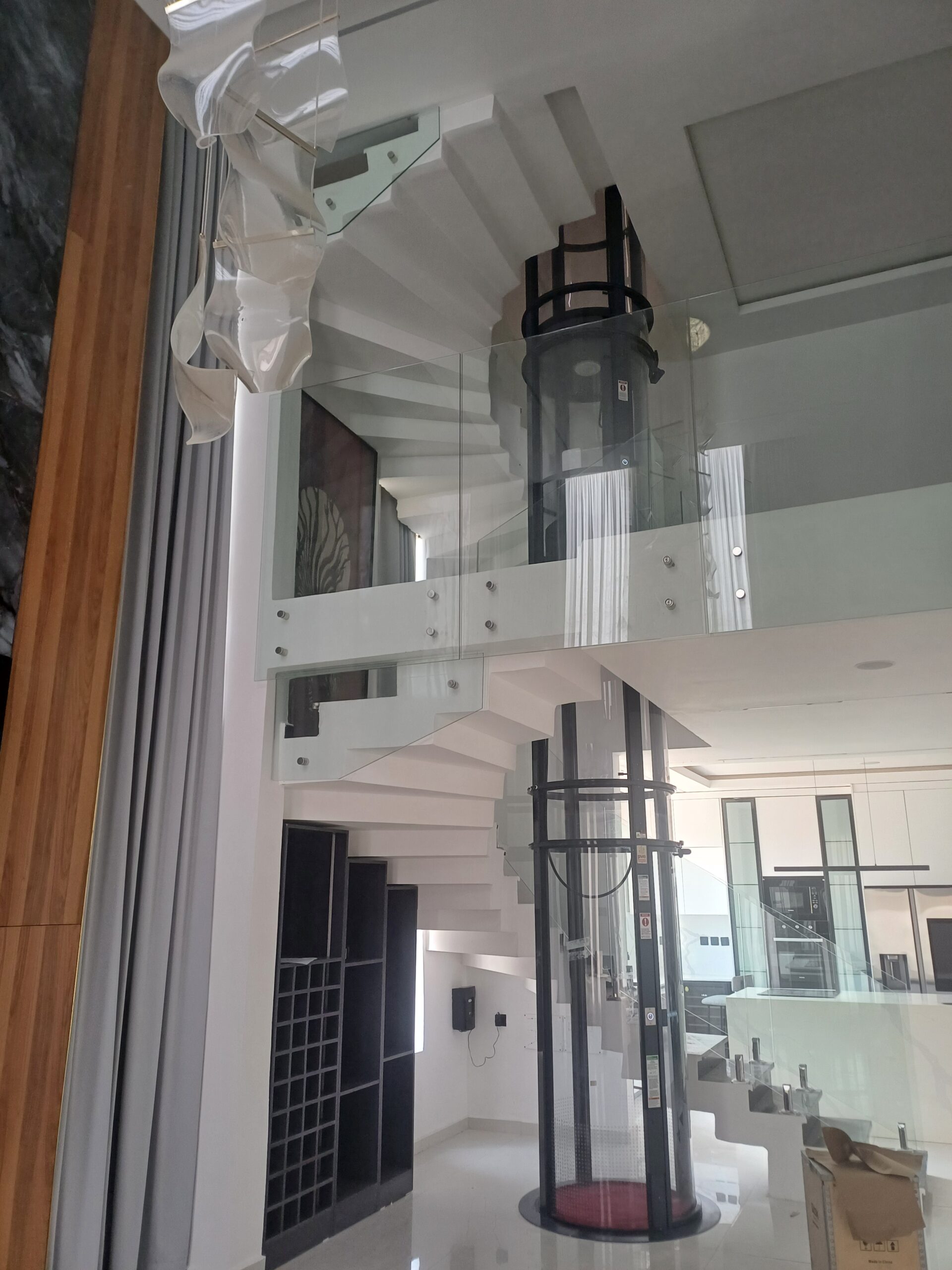
Installing a home elevator is a long-term investment in convenience, accessibility, and property value. As more homeowners in Nigeria embrace modern living, residential elevators are becoming increasingly common in duplexes, luxury homes, and multi-storey residences.
One of the first questions people ask is, "How much does a home elevator cost in Nigeria?"
The answer depends on several factors rather than a fixed price. Understanding these factors will help you choose an elevator that fits your home's needs and your budget.
1. Number of Floors the Elevator Will Serve
One of the biggest factors affecting the cost of a home elevator is the number of floors it needs to travel.
For example:
- A lift serving two floors generally requires fewer components.
- A lift serving three or four floors will need additional materials and installation work.
- Greater travel height may also require more engineering and configuration.
If you're building a new home, it's worth planning for future expansion. Installing an elevator that can serve additional floors later may save time and money in the long run.
2. The Elevator Model You Choose
Not all residential elevators are built the same.
The model you select will affect the overall project cost based on its size, technology, capacity, and features.
Common options include:
- Compact home elevators for smaller spaces
- Wheelchair-accessible models
- Panoramic glass elevators
- Luxury residential elevators with premium finishes
If you have elderly family members or individuals with mobility challenges, investing in a larger, accessible model can provide greater long-term value.
3. Your Home's Location and Installation Conditions
The design and location of your home also influence installation costs.
Factors that may affect pricing include:
- Available installation space
- Existing building structure
- Electrical connections
- Ease of access for installation
- Number of floors already constructed
For homeowners retrofitting an existing property, a professional assessment helps determine the most practical installation approach.
Modern vacuum elevators often require fewer structural modifications than traditional elevator systems, making them suitable for many Nigerian homes.
4. Interior Design and Customisation
Today's homeowners want more than functionality—they want an elevator that complements their interior décor.
Customisation options may include:
- Standard colour finishes
- Metallic finishes
- Textured finishes
- Hydrographic finishes
- Panoramic transparent cabins
- Custom flooring
- Decorative lighting
- Door configuration options
These design choices create a personalised look while enhancing the overall appearance of the home.
5. Accessibility Features
If the elevator is being installed for elderly users or individuals with disabilities, additional accessibility features may be required.
These can include:
- Wheelchair-accessible cabins
- Wider door openings
- Lower control panels
- Handrails
- Smooth entry and exit
- Spacious interior layouts
Although these upgrades may influence pricing, they significantly improve usability and comfort.
6. Safety Technology
Safety should always be a priority when investing in a home elevator.
Modern residential elevators include advanced safety systems such as:
- Automatic emergency descent
- Backup battery support
- Emergency alarm systems
- Door safety interlocks
- Cabin ventilation
- Emergency lighting
- Child safety switches
These features provide added protection and peace of mind, especially for families with children or elderly relatives.
7. Installation Complexity
Every property is unique.
The complexity of installation depends on:
- Home design
- Structural layout
- Ceiling height
- Electrical requirements
- Access to the installation area
Some projects require minimal preparation, while others involve additional planning to achieve the best result.
A professional site inspection helps determine the installation requirements before work begins.
8. Long-Term Value Instead of Initial Cost
While price is an important consideration, homeowners should also think about long-term value.
A high-quality residential elevator can offer:
- Improved accessibility
- Greater convenience
- Increased property appeal
- Better support for ageing family members
- Enhanced everyday comfort
Choosing a reliable system with durable components often delivers greater value over many years.
Why a Professional Home Assessment Matters
Because every home is different, the most accurate way to estimate the cost of a residential elevator is through a professional home assessment.
During the assessment, experts evaluate:
- The number of floors
- Available installation space
- Structural conditions
- Elevator model options
- Accessibility requirements
- Design preferences
This ensures you receive a recommendation tailored to your property and lifestyle, along with an accurate quotation.
Frequently Asked Questions
Is there a standard price for a home elevator in Nigeria?
No. The cost depends on factors such as the elevator model, number of floors, installation requirements, and customisation options.
Does a larger elevator cost more?
Generally, yes. Larger cabins, higher weight capacities, and wheelchair-accessible designs may require additional materials and features.
Can I customise my home elevator?
Yes. Many residential elevators offer a variety of colours, finishes, lighting styles, and door configurations to match your home's interior.
Will installation costs vary between homes?
Yes. Each property has unique structural and installation requirements that can affect the overall project.
How do I know which elevator is right for my home?
A professional home assessment is the best way to determine the ideal model based on your home's layout, mobility needs, and budget.
Final Thoughts
The cost of a home elevator in Nigeria is influenced by much more than the equipment itself. Factors such as the number of floors, elevator model, installation conditions, accessibility features, and customisation options all contribute to the final investment.
Rather than focusing solely on the initial cost, consider the long-term benefits a residential elevator offers—from improved safety and convenience to increased property value and enhanced quality of life.
Ready to Find the Right Home Elevator?
Every home is unique, which is why a professional assessment is the best place to start. At PE Lifts, our experts will evaluate your property, discuss your mobility needs, and recommend the most suitable elevator solution for your home.