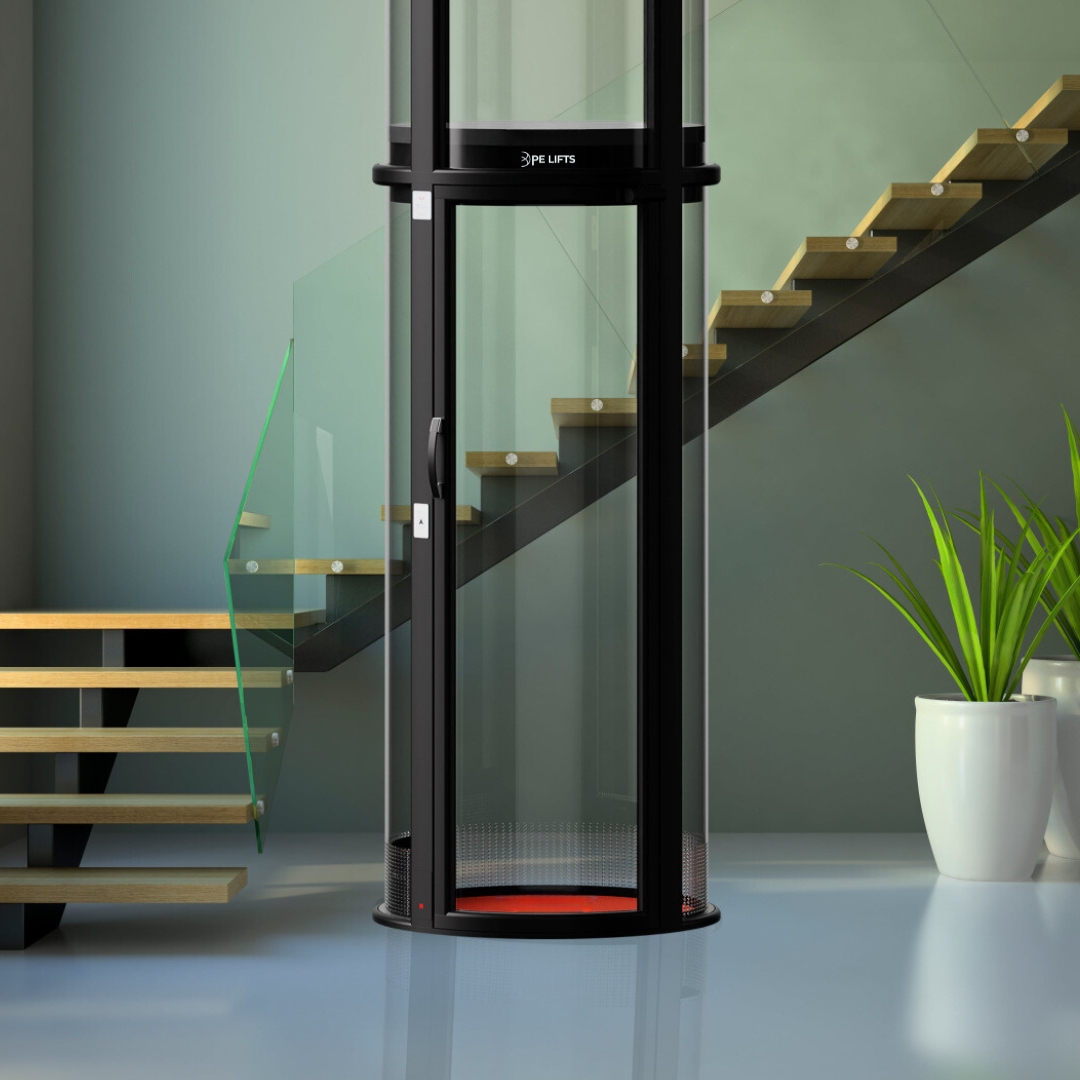
Elevators are no longer limited to high-rise office towers. Across Nigeria, they are increasingly found in private residences, apartment complexes, hotels, hospitals, shopping centres, office buildings, and mixed-use developments.
As buildings become taller and property owners place greater emphasis on accessibility and convenience, dependable vertical transportation has become an important part of modern building infrastructure.
But an elevator serving a private home does not have the same requirements as one operating in a busy hospital or commercial building. Passenger traffic, operating hours, building design, accessibility requirements, and frequency of use all influence how an elevator should be installed, maintained, and serviced.
PE Lifts provides elevator solutions and professional technical support for different building environments across Nigeria, helping property owners, developers, facility managers, and businesses keep their vertical transportation systems reliable.
What Types of Buildings Do PE Lifts Cover in Nigeria?
PE Lifts supports elevator requirements across residential, commercial, healthcare, hospitality, and other multi-storey properties.
Depending on the building and elevator system, support can include installation, maintenance, repairs, troubleshooting, modernization, and other technical services.
Here is how elevator requirements can differ across the major building types.
1. Residential Buildings: From Private Homes to Apartment Complexes
Residential elevators are becoming increasingly relevant as Nigerian homeowners and property developers look for better accessibility and convenience.
PE Lifts can support elevator requirements for:
- Private luxury homes
- Duplexes
- Multi-storey houses
- Apartment complexes
- Residential estates
- Serviced residences
- High-end residential developments
For a private homeowner, an elevator can make movement between floors easier without requiring major changes to daily routines.
Home elevators can also support households where accessibility is an important consideration. Moving between floors can become more difficult for elderly residents, people with mobility challenges, or anyone recovering from an injury.
In apartment buildings, the elevator serves a larger number of residents and visitors. This means reliability becomes particularly important.
A residential elevator may experience fewer trips than a commercial lift, but it still requires regular professional attention to ensure that doors, controls, safety systems, and other components continue to function properly.
2. Commercial Buildings: Supporting Employees, Customers and Visitors
Commercial buildings often place greater demands on elevator systems because of higher passenger volumes.
These properties may include:
- Corporate offices
- Business centres
- Shopping malls
- Retail complexes
- Financial institutions
- Commercial towers
- Multi-storey office developments
An elevator breakdown in a commercial building can affect far more than convenience. Employees may struggle to reach their work areas, customers may have difficulty accessing upper floors, and businesses may experience operational disruption.
For this reason, commercial property managers should treat elevator maintenance as part of their wider facility management responsibilities.
Preventive maintenance can help identify developing problems before they lead to unexpected downtime.
For high-traffic buildings, service requirements should also take actual elevator usage into account rather than relying solely on a generic maintenance schedule.
3. Hospitals: Why Reliable Elevators Matter for Patient Movement
Hospitals have unique vertical transportation requirements because elevators may be needed for patients, healthcare workers, visitors, equipment, supplies, and other essential activities.
Hospital elevators may support the movement of:
- Patients using wheelchairs
- Patients requiring assistance
- Medical staff
- Visitors
- Medical equipment
- Supplies and materials
Accessibility is particularly important in healthcare environments. A patient who cannot comfortably use stairs may depend on a functioning elevator to access different areas of a facility.
Elevator downtime can therefore create additional logistical challenges for hospital management.
Hospitals and healthcare facilities should have appropriate maintenance programmes in place and ensure that elevator faults are reported promptly.
When an elevator develops a serious fault, unqualified personnel should not attempt to repair or bypass its safety systems. A qualified elevator technician should assess the equipment and determine the appropriate solution.
4. Hotels: Keeping Guests and Staff Moving
Hotels depend on elevators for much of their daily operation.
Guests use elevators to access rooms and facilities, while staff may use them to move luggage, supplies, housekeeping equipment, and other items throughout the property.
PE Lifts can support elevator requirements in:
- Hotels
- Resorts
- Serviced apartments
- Guest houses
- Hospitality complexes
Elevator reliability can directly influence the guest experience. A passenger waiting several minutes for a lift may be inconvenient, but repeated elevator faults or prolonged downtime can become a much bigger issue.
Hotels can also experience sudden increases in elevator demand during:
- Check-in and check-out periods
- Conferences
- Weddings
- Business events
- Holidays
- Large group bookings
Regular maintenance helps hotel operators identify potential issues and maintain dependable elevator performance during periods of high demand.
5. Mixed-Use Buildings: One Property, Multiple Elevator Needs
Many modern developments combine different functions within one property.
A mixed-use development could contain apartments above offices, retail spaces on lower floors, restaurants, parking facilities, or hospitality areas.
This creates a more complicated vertical transportation environment because different groups may use the building at different times.
For example, residents may use elevators throughout the day, while office workers create heavy traffic during business hours. Visitors and shoppers may create additional demand.
When planning elevator services for these properties, factors such as passenger volume, building layout, number of floors, operating hours, and intended use should be considered.
6. Educational and Institutional Buildings
Schools, universities, training centres, and other institutions may also require elevator systems.
An elevator can improve accessibility for students, lecturers, administrators, visitors, and people with mobility limitations.
Institutional buildings may experience heavy passenger movement during specific periods, such as the beginning and end of school days or between lectures.
Facility managers should ensure that elevators are maintained appropriately and that staff understand what to do if an elevator stops unexpectedly.
How Does the Building Type Affect Elevator Maintenance?
The type of building affects elevator maintenance because each property has different levels of usage, passenger traffic, accessibility requirements, and operating conditions.
Consider these differences:
| Building | Main Considerations |
|---|---|
| Private home | Comfort, accessibility and convenience |
| Apartment complex | Resident traffic and everyday reliability |
| Commercial building | High passenger volume and minimal downtime |
| Hospital | Patient accessibility and dependable operation |
| Hotel | Guest experience, staff use and peak traffic |
| Mixed-use development | Multiple users and different traffic patterns |
| Institution | Accessibility and scheduled high-traffic periods |
A professional assessment can help determine the appropriate service approach for each environment.
Can an Existing Elevator Building Receive PE Lifts Support?
Yes, depending on the elevator equipment and the technical requirements involved.
Existing buildings may require routine maintenance, emergency repairs, troubleshooting, component replacement, or modernization.
Older elevator systems can also require additional attention as components wear over time.
Rather than waiting for a major breakdown, building managers can arrange professional assessments to identify potential problems and determine whether repair, maintenance, or modernization is appropriate.
What Should Facility Managers Look for in an Elevator Service Provider?
Choosing an elevator service provider involves more than finding someone who can repair a lift after it breaks down.
Facility managers should consider:
- Technical expertise
- Experience with the relevant elevator system
- Preventive maintenance capability
- Emergency repair support
- Availability of appropriate replacement parts
- Proper documentation of maintenance
- Understanding of elevator safety systems
- Ability to support the property's long-term requirements
A dependable service relationship can make it easier to identify faults, plan maintenance, and respond when unexpected problems occur.
Why Is Preventive Elevator Maintenance Important in Nigeria?
Elevators operate through interconnected mechanical, electrical, electronic, and safety components. Regular use naturally places these components under operating stress.
Preventive maintenance can help building managers:
- Detect developing faults.
- Identify worn components.
- Monitor elevator performance.
- Reduce unexpected downtime.
- Address minor problems before they become major issues.
- Maintain important safety systems.
- Plan repairs more effectively.
It also gives facility managers an opportunity to keep maintenance records and understand the history of their elevator equipment.
What Happens When an Elevator Breaks Down?
When an elevator stops working, the appropriate response depends on the nature of the fault.
If passengers are trapped, the priority is passenger safety. They should remain inside the elevator, use the emergency communication system if available, and wait for qualified assistance.
If the elevator is simply out of service, the building's facility team should contact an elevator technician to diagnose the problem.
Passengers and building staff should never attempt to force elevator doors open or carry out an untrained repair.
Need Elevator Services for Your Building in Nigeria?
Every building has different vertical transportation requirements. A private residence may prioritise comfort and accessibility, while a hospital may depend on reliable elevator operation for patients and medical equipment. Commercial buildings and hotels may require solutions capable of supporting frequent passenger traffic.
Understanding these differences is the first step towards choosing the right elevator solution and maintenance approach.