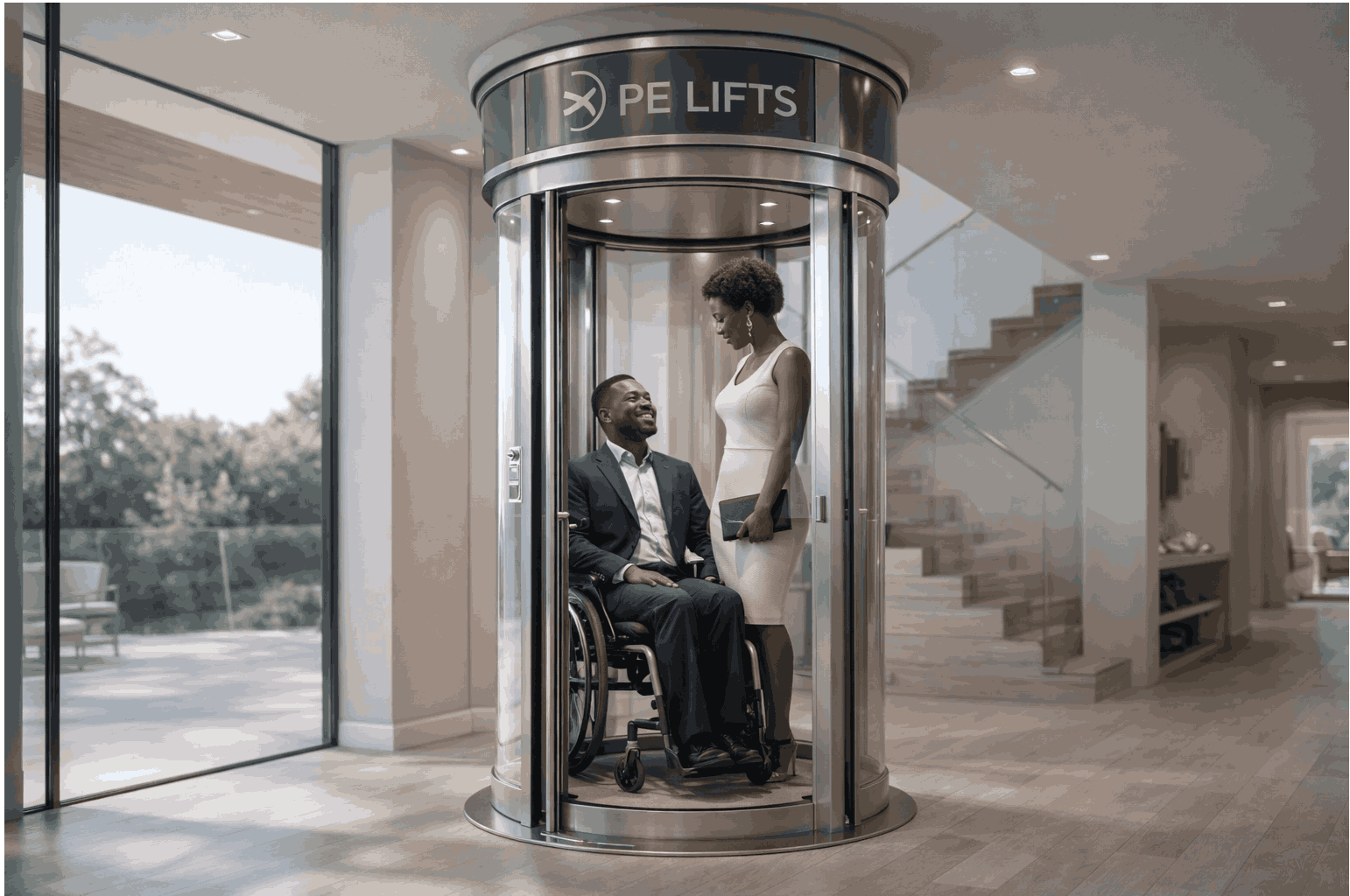
Elevators are an important part of modern buildings. They make movement easier in residential apartments, offices, hotels, hospitals, shopping centres, schools, and commercial properties.
However, like any mechanical and electrical system, elevators require regular maintenance, professional inspections, and timely repairs to operate reliably.
Building owners and facility managers often have questions about elevator servicing, maintenance contracts, emergency repairs, breakdowns, safety, and the brands that can be maintained.
This guide answers some of the most frequently asked questions about elevator maintenance and repair in Nigeria.
What Is Elevator Maintenance?
Elevator maintenance is the regular inspection, servicing, testing, adjustment, and repair of elevator components to help keep the system safe and reliable.
Maintenance may cover:
- Elevator doors and door sensors
- Electrical and control systems
- Mechanical components
- Safety devices
- Sensors and switches
- Levelling systems
- Operating controls
- General equipment performance
The purpose of maintenance is to identify developing problems early and reduce the risk of unexpected breakdowns.
Why Is Regular Elevator Maintenance Important?
Regular elevator maintenance helps improve reliability, safety, and operating performance.
Without proper maintenance, small issues may develop into major faults. For example, a minor door problem can eventually stop the elevator from operating. Worn components may also affect other parts of the system.
Preventive maintenance can help:
- Reduce avoidable breakdowns
- Identify faults early
- Improve elevator performance
- Reduce unexpected downtime
- Extend the useful life of components
- Support passenger safety
- Make repair costs easier to plan
- Improve the overall building experience
Maintenance cannot guarantee that an elevator will never develop a fault, but it can reduce the likelihood of preventable emergencies.
How Often Should an Elevator Be Maintained?
The required maintenance frequency depends on the elevator type, age, usage, manufacturer recommendations, operating environment, and general condition.
An elevator in a busy commercial building may require more regular attention than one in a low-traffic residential property.
A qualified elevator service provider should assess the equipment and recommend a maintenance schedule that matches the building’s needs.
Building owners should avoid choosing a maintenance frequency based only on cost. The condition and usage of the elevator should always be considered.
What Is a Preventive Elevator Maintenance Contract?
A preventive elevator maintenance contract is an agreement between a building owner or facility manager and an elevator service provider for scheduled maintenance and technical support.
Instead of waiting until the elevator breaks down, the service provider carries out planned inspections and servicing.
A maintenance contract may include:
- Scheduled preventive maintenance
- Routine equipment inspections
- Fault detection and troubleshooting
- Door and safety system checks
- Electrical and mechanical checks
- Repairs and component replacement
- Maintenance reports
- Technical recommendations
- Emergency support, depending on the agreement
The exact services should be clearly stated in the contract before it is signed.
Can a Maintenance Contract Prevent Elevator Emergencies?
A maintenance contract can help reduce the risk of avoidable elevator emergencies by identifying problems before they become serious.
For example, a technician may identify unusual door movement, worn mechanical parts, sensor faults, or electrical irregularities during a routine visit.
Addressing these issues early may prevent them from developing into a major breakdown.
However, no maintenance contract can completely eliminate all emergencies. Unexpected faults, power problems, misuse, and other external factors may still affect elevator operation.
The main benefit of preventive maintenance is that it helps building managers stay ahead of developing problems.
What Are the Most Common Elevator Problems?
Common elevator problems may include:
Door Malfunctions
The doors may fail to open or close properly, move slowly, make unusual sounds, or respond incorrectly to sensors.
Power and Electrical Faults
Power interruptions, electrical faults, or control system problems may affect elevator operation.
Mechanical Problems
Worn or damaged mechanical components may cause unusual noise, vibration, poor performance, or unexpected stops.
Sensor and Control Errors
Faulty sensors, switches, or control components may affect how the elevator starts, stops, levels, or responds to commands.
Levelling Issues
The elevator may stop above or below the floor level, creating inconvenience and a possible trip hazard.
Any of these issues should be assessed by a qualified elevator technician.
What Should Passengers Do If an Elevator Stops Working?
If an elevator stops between floors or becomes unresponsive, passengers should remain calm and use the emergency alarm or communication system if available.
They should:
- Press the alarm or emergency call button
- Contact the building management team
- Follow instructions from qualified support personnel
- Wait for trained technicians or emergency responders
- Avoid forcing the doors open
- Avoid attempting to climb out of the elevator
- Avoid jumping or trying to escape through unsafe openings
Passengers should never attempt to repair an elevator themselves. Untrained intervention can create additional danger.
Can an Elevator Be Repaired If Another Company Installed It?
In many cases, an elevator can be inspected, maintained, or repaired even if it was originally installed by another company.
The service provider should first assess the elevator’s brand, model, condition, components, previous repair history, and availability of suitable parts.
Not every fault can be handled in the same way. Some systems may require specific components, specialist knowledge, manufacturer support, or modernisation.
A professional assessment is necessary before confirming the appropriate repair solution.
Does PE Lifts Services Maintain Only PE Lifts Elevators?
No. PE Lifts Services provides professional maintenance, repairs, troubleshooting, modernization, and technical support for elevators from different manufacturers and brands—not just PE Lifts equipment.
This is useful for building owners and facility managers who operate elevators installed by different suppliers.
A qualified technician can assess the elevator and determine whether it requires routine maintenance, repairs, component replacement, safety improvements, modernisation, or further technical evaluation.
Can Older Elevators Still Be Maintained?
Older elevators may still be maintainable, depending on their condition, design, configuration, available components, and overall safety.
A professional inspection may identify options such as:
- Routine maintenance
- Component replacement
- Mechanical repairs
- Electrical repairs
- Control system upgrades
- Safety improvements
- Modernisation
- Full replacement, where necessary
An older elevator should not automatically be considered beyond repair. However, it should also not continue operating without proper assessment if it has repeated faults or serious safety concerns.
What Types of Buildings Need Elevator Maintenance?
Almost every building with an elevator needs a structured maintenance programme.
This includes:
- Residential apartments
- Office buildings
- Hotels
- Hospitals
- Shopping centres
- Schools and institutions
- Warehouses
- Mixed-use developments
- Government facilities
- Commercial buildings
The maintenance approach should be tailored to the building’s traffic level, elevator type, operating hours, and user requirements.
What Is the Difference Between Maintenance and Emergency Repair?
Maintenance is planned work carried out to keep an elevator operating properly and identify potential problems early.
Emergency repair is unplanned technical work required after a fault, breakdown, or urgent operating problem occurs.
Both are important, but preventive maintenance is generally more organised and helps reduce the frequency of emergency situations.
A building that relies only on emergency repairs may experience more disruption and may find it harder to plan technical expenses.
How Can Building Owners Choose an Elevator Maintenance Company?
Before choosing an elevator maintenance provider, building owners and facility managers should consider:
- Technician qualifications and experience
- Experience with different elevator brands
- Availability of technical support
- Scope of the maintenance contract
- Emergency response arrangements
- Quality of maintenance reporting
- Availability of genuine or suitable replacement parts
- Experience with similar building types
- Ability to provide repairs and modernisation
- Clear pricing and contract terms
It is also important to ask what is included in the maintenance agreement and what services may attract additional charges.
How Much Does Elevator Maintenance Cost in Nigeria?
Elevator maintenance costs vary depending on several factors, including:
- Elevator type and size
- Brand and model
- Age of the equipment
- Number of elevators
- Building location
- Usage level
- Condition of components
- Required maintenance frequency
- Parts and repair requirements
- Scope of the maintenance contract
A professional service provider should inspect the elevator and provide a quotation based on the actual condition and needs of the equipment.
The cheapest option may not always provide the best long-term value. Building owners should consider reliability, technical quality, safety, and the cost of extended downtime.
Why Should You Arrange Elevator Maintenance Before a Breakdown?
Waiting until an elevator stops working can create pressure for building owners, tenants, facility managers, and passengers.
A planned maintenance arrangement helps ensure that the elevator receives regular professional attention.
It also gives facility managers an opportunity to document faults, plan repairs, monitor performance, and make informed decisions about modernisation or replacement.
The best time to arrange elevator maintenance is before a major emergency occurs.
Need Professional Elevator Maintenance in Nigeria?
PE Lifts Services supports building owners and facility managers with professional elevator maintenance, repairs, troubleshooting, modernisation, and technical support.
Our services are not limited to PE Lifts equipment. We can assess and support elevators from different manufacturers and brands, depending on the system, condition, and technical requirements.
Whether you manage a residential building, office, hotel, hospital, shopping centre, or commercial facility, regular maintenance can help protect elevator performance and reduce avoidable downtime.