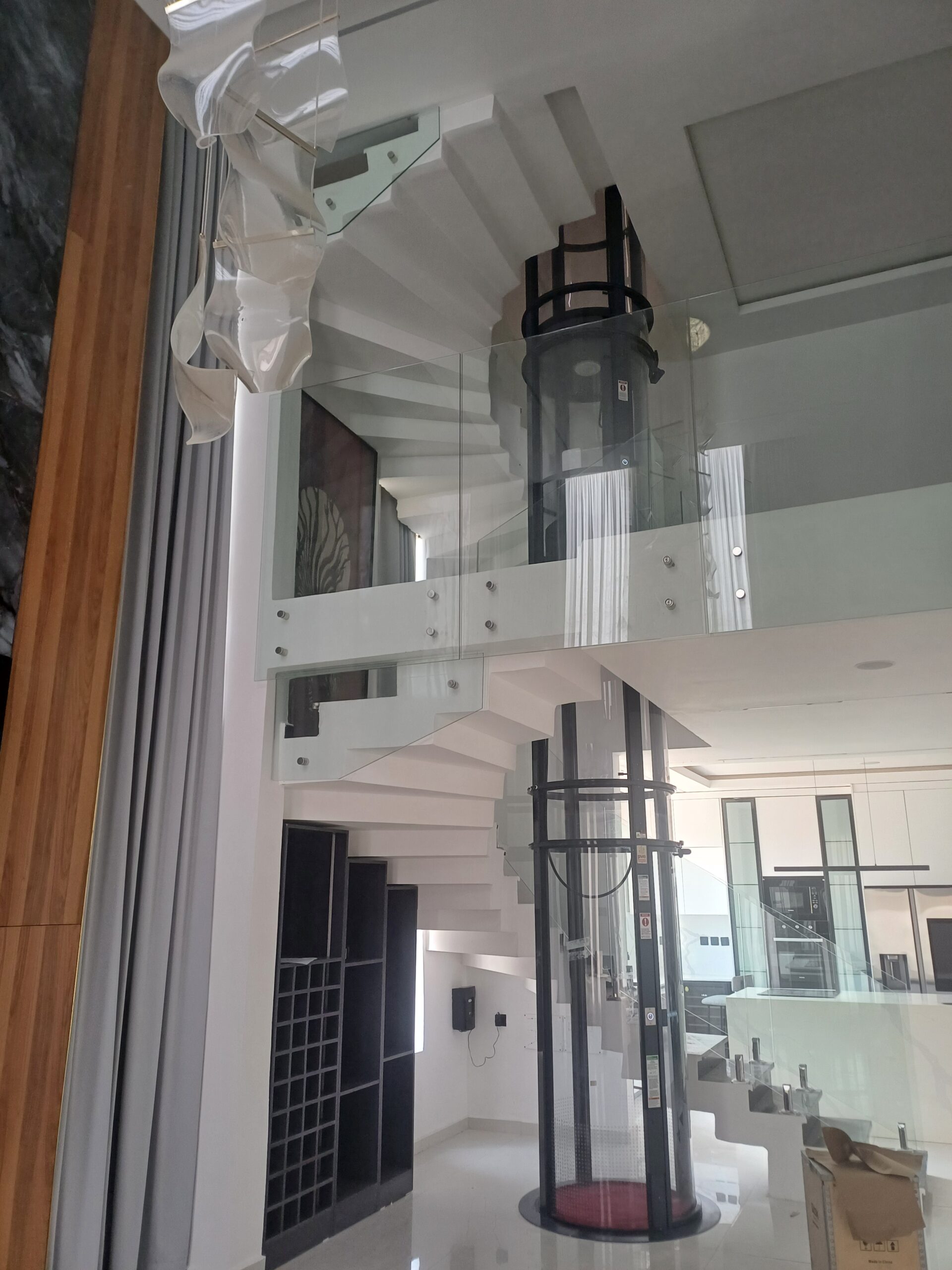
Elevators play an important role in modern buildings across Nigeria. From residential apartments in Lagos and Abuja to hotels, hospitals, shopping centres, office buildings, and mixed-use developments, elevators help people move safely and conveniently between floors.
However, many building owners and facility managers only think about elevator maintenance when something goes wrong.
An elevator may operate normally for months, but one unexpected breakdown can quickly create serious problems. Passengers may become stranded, tenants may complain, businesses may experience delays, and building owners may face unexpected repair expenses.
This raises an important question:
Is it more cost-effective to pay for emergency elevator repairs when a problem occurs, or to invest in a regular elevator maintenance contract?
In many cases, an elevator maintenance contract provides better long-term value because it helps identify problems early, reduce avoidable breakdowns, and support the reliable operation of the system.
What Is an Unplanned Elevator Breakdown?
An unplanned elevator breakdown happens when an elevator stops working unexpectedly without being scheduled for repair or maintenance.
The cause may include:
- Door malfunctions
- Electrical faults
- Worn mechanical components
- Sensor problems
- Control system errors
- Power-related issues
- Poor maintenance
- Ageing equipment
- Incorrect use
- Lack of replacement parts
Sometimes, the problem may be minor. In other cases, a breakdown may involve a major component that requires detailed troubleshooting, replacement, or modernization.
Regardless of the cause, an unexpected breakdown can affect everyone who depends on the elevator.
What Are the Costs of an Unplanned Elevator Breakdown?
The cost of an elevator breakdown is not limited to the technician’s repair bill. Building owners may also experience indirect costs that affect daily operations, tenant satisfaction, and business income.
1. Emergency Repair Expenses
Emergency repairs are often more expensive than planned maintenance.
When an elevator stops working suddenly, a technician may need to visit the site, inspect the system, identify the fault, and arrange for the required repair or replacement.
Additional expenses may include:
- Emergency inspection
- Technician call-out charges
- Replacement components
- Transportation costs
- Special tools or equipment
- Additional labour
- After-hours technical support
- Testing and recommissioning
The final cost depends on the type of elevator, the cause of the fault, the condition of the equipment, and the parts required.
A small door or sensor issue may be relatively simple to resolve. However, a major electrical, mechanical, or control system fault can become significantly more expensive.
2. Disruption to Building Operations
When an elevator stops working, the normal movement of people and goods may be affected.
In a residential building, elderly residents, children, and people with mobility challenges may struggle to use the stairs.
In a commercial building, employees and visitors may experience delays. Hotels may find it harder to provide a smooth guest experience, while hospitals and healthcare facilities may face serious movement challenges.
For buildings with only one elevator, the impact can be even greater because there may be no alternative vertical transportation system.
3. Loss of Tenant and Customer Confidence
A frequently faulty elevator can affect how people view a building.
Tenants may become frustrated if they regularly have to use stairs or wait for repairs. Hotel guests may complain about inconvenience, while customers may avoid a facility where elevator reliability is a constant concern.
Building owners may also face pressure from:
- Tenants
- Property managers
- Facility managers
- Visitors
- Customers
- Staff members
- Building management committees
Reliable elevator operation contributes to the overall comfort and reputation of a property.
4. Increased Pressure on Facility Managers
Unexpected breakdowns can create additional work for facility managers.
Instead of focusing on planned building operations, they may have to coordinate emergency repairs, communicate with occupants, follow up with technicians, approve unexpected expenses, and manage complaints.
Repeated breakdowns can also make it difficult to prepare an accurate maintenance budget.
5. Higher Long-Term Repair Costs
A small fault can become a larger problem when it is ignored.
For example, unusual sounds, delayed door movement, uneven stopping, or repeated warning signals may indicate that a component needs attention.
If these signs are not investigated early, the issue may worsen and affect other parts of the elevator system.
This can lead to:
- More extensive repairs
- Longer downtime
- More expensive replacement parts
- Increased wear on other components
- Reduced elevator performance
- Premature modernization or replacement
What Is an Elevator Maintenance Contract?
An elevator maintenance contract, also known as an elevator Annual Maintenance Contract or AMC, is a formal agreement between a building owner or facility manager and an elevator service provider.
The agreement defines the maintenance services that will be provided over a specific period.
Depending on the contract, services may include:
- Scheduled preventive maintenance
- Routine inspections
- Lubrication and adjustment
- Door and safety system checks
- Electrical and mechanical inspections
- Fault diagnosis
- Performance testing
- Maintenance reports
- Emergency technical support
- Replacement recommendations
- Modernization advice
The exact services depend on the provider, the elevator type, the building’s usage, and the terms of the agreement.
Why Can a Maintenance Contract Be More Cost-Effective?
A maintenance contract helps move elevator care from a reactive approach to a preventive approach.
Instead of waiting for the elevator to fail, qualified technicians inspect and service the system regularly.
1. Problems Can Be Identified Early
Regular maintenance allows technicians to detect signs of wear and developing faults before they become major failures.
During scheduled visits, technicians may identify:
- Worn door rollers
- Loose connections
- Unusual vibration
- Faulty sensors
- Electrical irregularities
- Damaged safety components
- Poor leveling
- Unusual sounds
- Reduced performance
Early identification gives the building owner time to plan the required repair.
2. Maintenance Costs Become Easier to Budget
Emergency repairs are difficult to predict. A maintenance contract provides a more structured way to plan elevator-related expenses.
Instead of facing an unexpected major bill, building owners can budget for regular maintenance and discuss additional repair costs before work begins.
This is particularly useful for:
- Property developers
- Facility managers
- Estate managers
- Hotels
- Hospitals
- Office buildings
- Shopping centres
- Residential estates
3. Downtime Can Be Reduced
No maintenance contract can guarantee that an elevator will never experience a fault. However, regular servicing can help reduce avoidable breakdowns and improve system reliability.
A well-maintained elevator is more likely to operate smoothly because potential problems are addressed before they become serious.
Reduced downtime means less disruption for residents, workers, customers, and visitors.
4. Equipment Lifespan May Be Improved
Elevators contain electrical, mechanical, and safety components that require proper care.
Routine maintenance helps ensure that these components are inspected, adjusted, and serviced according to the system’s requirements.
This may help reduce unnecessary wear and support the elevator’s long-term performance.
5. Safety Systems Receive Regular Attention
Elevator safety systems should never be ignored.
A professional maintenance programme may include checks on:
- Door locks
- Door safety switches
- Emergency alarms
- Emergency communication
- Safety brakes
- Sensors
- Landing systems
- Emergency lighting
- Backup systems
- Cabin operation
These checks help ensure that important safety features are functioning as intended.
Is an Elevator Maintenance Contract Worth the Cost in Nigeria?
For most buildings that depend on regular elevator use, an elevator maintenance contract can provide valuable financial and operational benefits.
The right choice depends on factors such as:
- The number of elevators
- Building height
- Daily passenger traffic
- Elevator age
- Equipment condition
- Building type
- Availability of spare parts
- Existing maintenance history
- Required response and support services
A low-traffic residential building may require a different maintenance arrangement from a busy hotel, hospital, or commercial tower.
The most suitable contract should be based on the elevator’s actual needs rather than a one-size-fits-all package.
What Should You Check Before Signing an Elevator AMC?
Before signing a maintenance contract, ask the service provider:
- What services are included?
- How frequently will technicians visit?
- Are emergency call-outs included?
- Are maintenance reports provided?
- Are spare parts included or charged separately?
- Can the company service the elevator’s brand?
- Are technicians qualified and experienced?
- Does the provider offer repairs and modernization?
- How are urgent faults handled?
- Are the contract terms and exclusions clearly explained?
A reliable elevator service provider should be able to assess the equipment and recommend a maintenance plan based on its condition and usage.
Why Choose Professional Elevator Maintenance Services?
Elevator maintenance should be handled by qualified technicians with the appropriate technical knowledge, tools, and experience.
Professional elevator service providers can support building owners with preventive maintenance, repairs, troubleshooting, modernization, and technical guidance.
They can also help determine whether an elevator requires routine servicing, component replacement, control system upgrades, safety improvements, or a more detailed technical assessment.
Whether the elevator is installed in a home, office, hotel, hospital, shopping centre, or residential estate, regular professional attention is important for safe and reliable operation.
Final Thoughts
The cost of an unplanned elevator breakdown goes beyond the repair invoice. It may include emergency expenses, building disruption, tenant complaints, business delays, reduced confidence, and increased pressure on facility managers.
An elevator maintenance contract provides a more organised approach to protecting the elevator system. Through scheduled inspections, preventive servicing, early fault detection, and professional technical support, it can help reduce avoidable problems and make maintenance costs easier to manage.
For building owners and facility managers in Nigeria, the important question is not only “How much does an elevator maintenance contract cost?”
The better question is:
“How much could an unexpected elevator breakdown cost my building?”
Need Reliable Elevator Maintenance in Nigeria?
PE Lifts Services provides professional elevator maintenance, repairs, troubleshooting, modernization, and technical support for different elevator brands and building types.
Whether you manage a residential property, office, hotel, hospital, shopping centre, or commercial facility, our team can help you assess your elevator system and develop a maintenance plan suited to your needs.