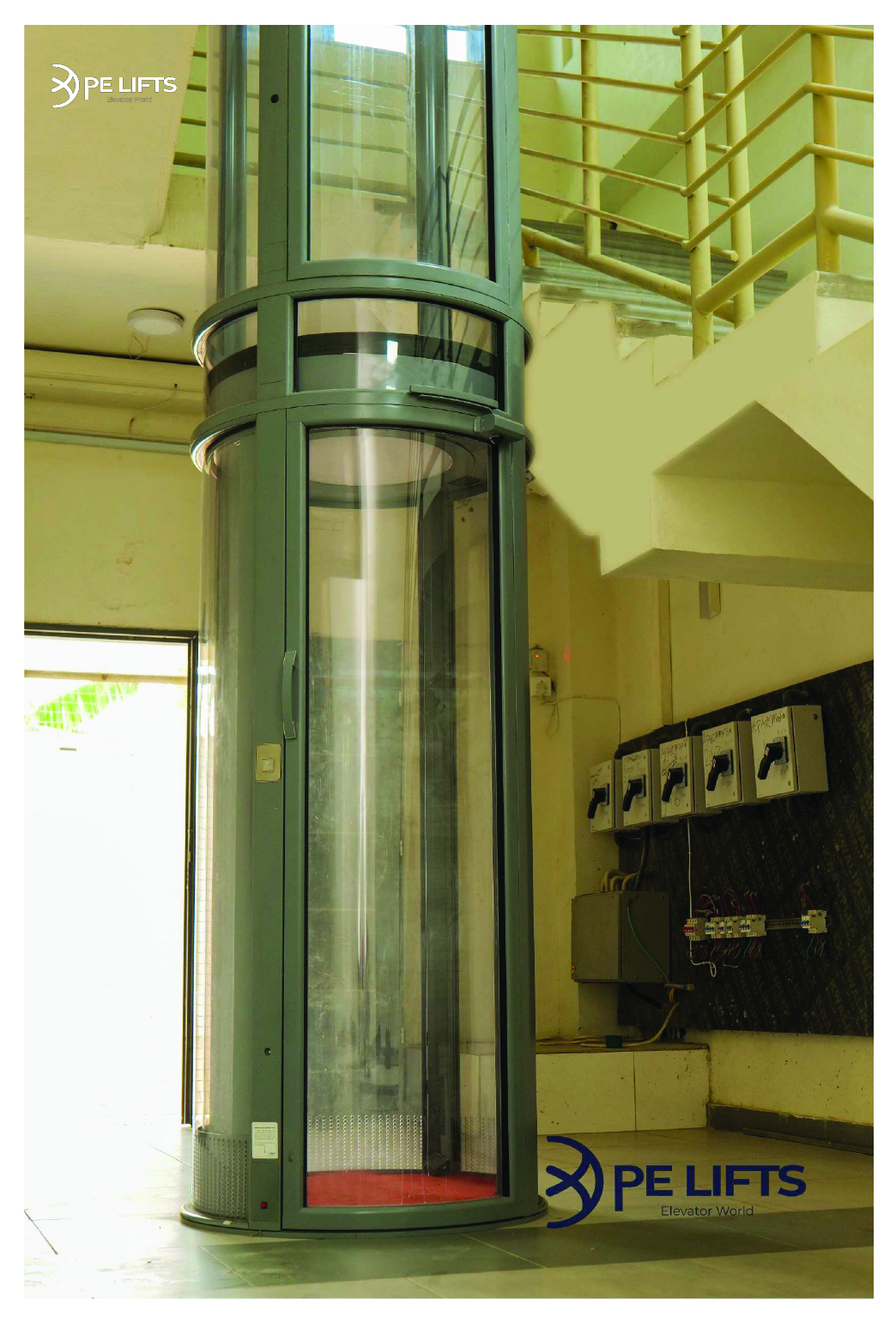
Installing a home elevator Nigeria residents can rely on requires careful electrical planning. In cities like Lagos and Abuja, homeowners often face voltage fluctuations, frequent power interruptions, and varying property electrical standards. Proper preparation ensures safety and longevity.
This guide explains what elevator power requirements Nigeria standards typically involve, including the common references to 220V and 20A connections. It also covers surge protection, generator compatibility, and emergency operations. Remember that specific requirements vary by model, so always verify with PE Lifts before finalizing your electrical installation.
What Do 220V AC and 20A Mean?
In Nigeria, the standard residential electrical supply is typically single-phase 220-230V AC at 50Hz. When planners mention a "20 amp connection," they refer to the circuit breaker rating and the capacity of the wiring to carry current safely.
Not every pneumatic elevator requires exactly 20A. Some compact models may draw less, while larger units might have different starting current demands. Always check the nameplate and installation manual for the specific model you choose.
Home Elevator Power Checklist
Use this checklist to coordinate with your electrician and PE Lifts during the planning phase.
| Planning Item | Action Required |
|---|---|
| Model Verification | Confirm the exact elevator model and obtain its electrical installation manual. |
| Supply Requirements | Verify required voltage, frequency, phase, and current rating for the specific unit. |
| Dedicated Circuit | Confirm if the manufacturer requires a dedicated circuit from the main distribution board. |
| Cable Sizing | Have a qualified electrician assess cable type and size based on distance and load. |
| Earthing | Verify proper earthing and bonding to protect against electrical faults. |
| Protection Devices | Check requirements for isolation switches, circuit breakers, and residual current devices. |
| Surge Protection | Assess local voltage stability and install appropriate surge protection devices. |
| Backup Power | Confirm generator or inverter compatibility if uninterrupted operation is desired. |
| Emergency Features | Confirm if the model supports automatic descent or emergency lowering during outages. |
| Final Inspection | Arrange for professional electrical testing before commissioning the elevator. |
Surge Protection and Voltage Stability
Voltage surges and fluctuations are common in many Nigerian neighborhoods. A surge is a sudden spike in voltage, while instability refers to sustained high or low voltage. Both can damage sensitive electronic components in elevator control systems.
Surge protection devices (SPDs) help clamp voltage spikes, but they do not regulate sustained voltage issues. For properties with chronic low voltage, a voltage stabilizer or regulator may be necessary. Your electrician should assess your incoming supply quality and recommend protection that complies with the elevator manufacturer's specifications.
Generator and Backup Power Planning
When NEPA or PHCN power fails, many homeowners rely on generators. However, not all generators are suitable for elevators. Starting an elevator motor can cause a temporary current surge that may trip a small generator or cause voltage drops that trigger safety shutdowns.
If you plan to use your elevator during outages, ensure your generator has sufficient capacity to handle the starting current. Additionally, confirm with PE Lifts whether your specific model is compatible with inverter or battery backup systems. Note that an emergency descent function, which lowers the cabin to the nearest floor, is different from full backup power for continued operation.
Questions to Ask Your Electrician and Supplier
- What exact electrical supply does this specific elevator model require?
- Does the installation require a dedicated circuit and isolation switch?
- What type of surge protection is recommended for this equipment?
- Can my existing generator or inverter safely support this elevator's starting current?
- What happens if public power fails while someone is inside the elevator?
Frequently Asked Questions
Most residential pneumatic elevators operate on standard single-phase 220-230V AC supply common in Nigeria. However, you must verify the specific voltage tolerance of your chosen model in the manufacturer's manual.
A 20 amp circuit is a common requirement for many residential lifts, providing a theoretical capacity of 4.4 kVA. Always confirm the exact current rating and starting current with PE Lifts to ensure your cabling and breakers are sized correctly.
Yes, but compatibility depends on the generator's voltage stability and frequency regulation. The generator must handle the elevator's starting current without significant voltage drop. Consult PE Lifts for specific generator sizing recommendations.
Some models feature an automatic descent or emergency lowering function, but this is not universal. It may require a small battery backup or specific configuration. Confirm this feature with PE Lifts before installation.
Request a Home Elevator Power Plan Review
Electrical planning is critical for safe and reliable elevator operation. Do not leave it to guesswork.
Request a Power Plan Review