
Why Nigerian Homeowners & Businesses Choose Pneumatic Elevators
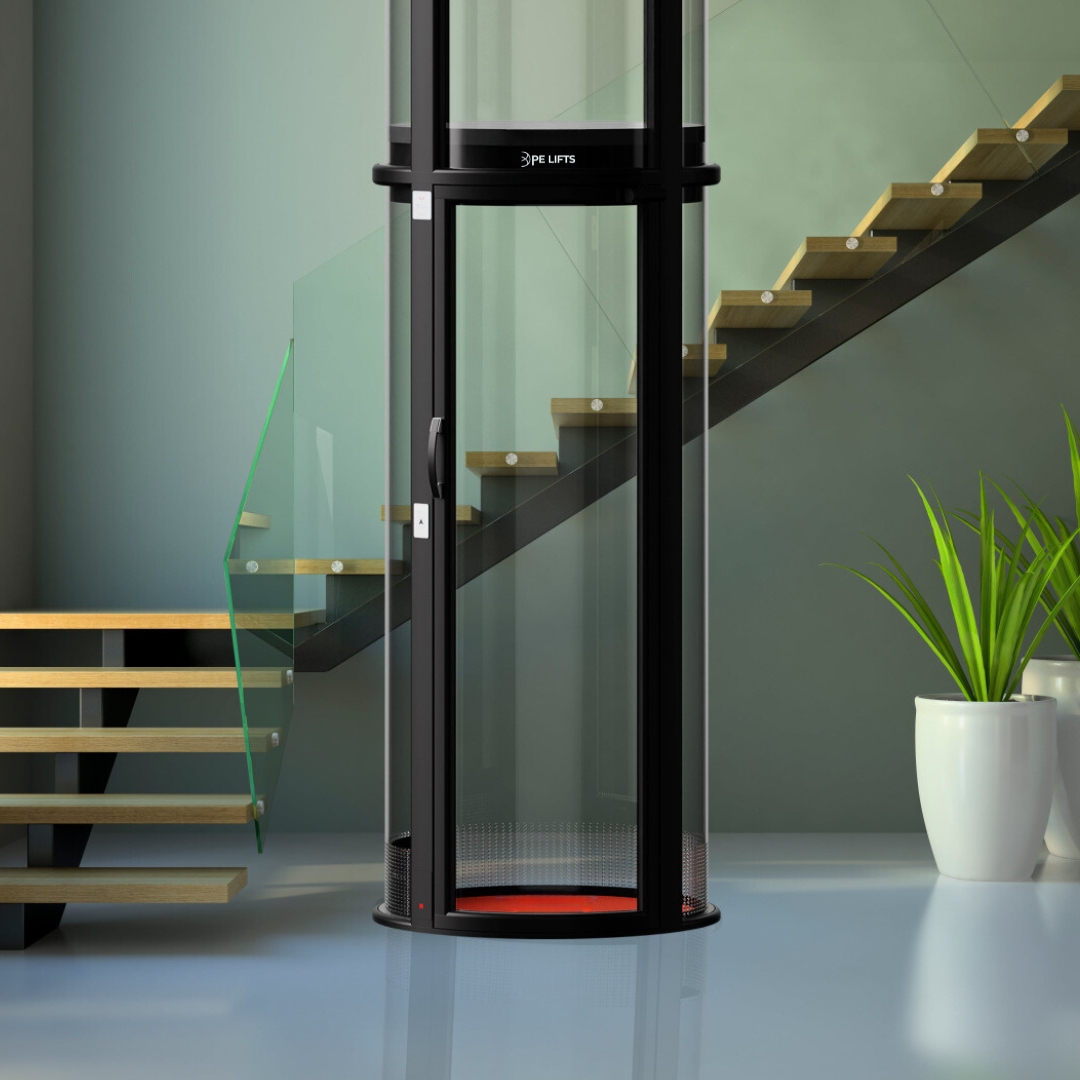
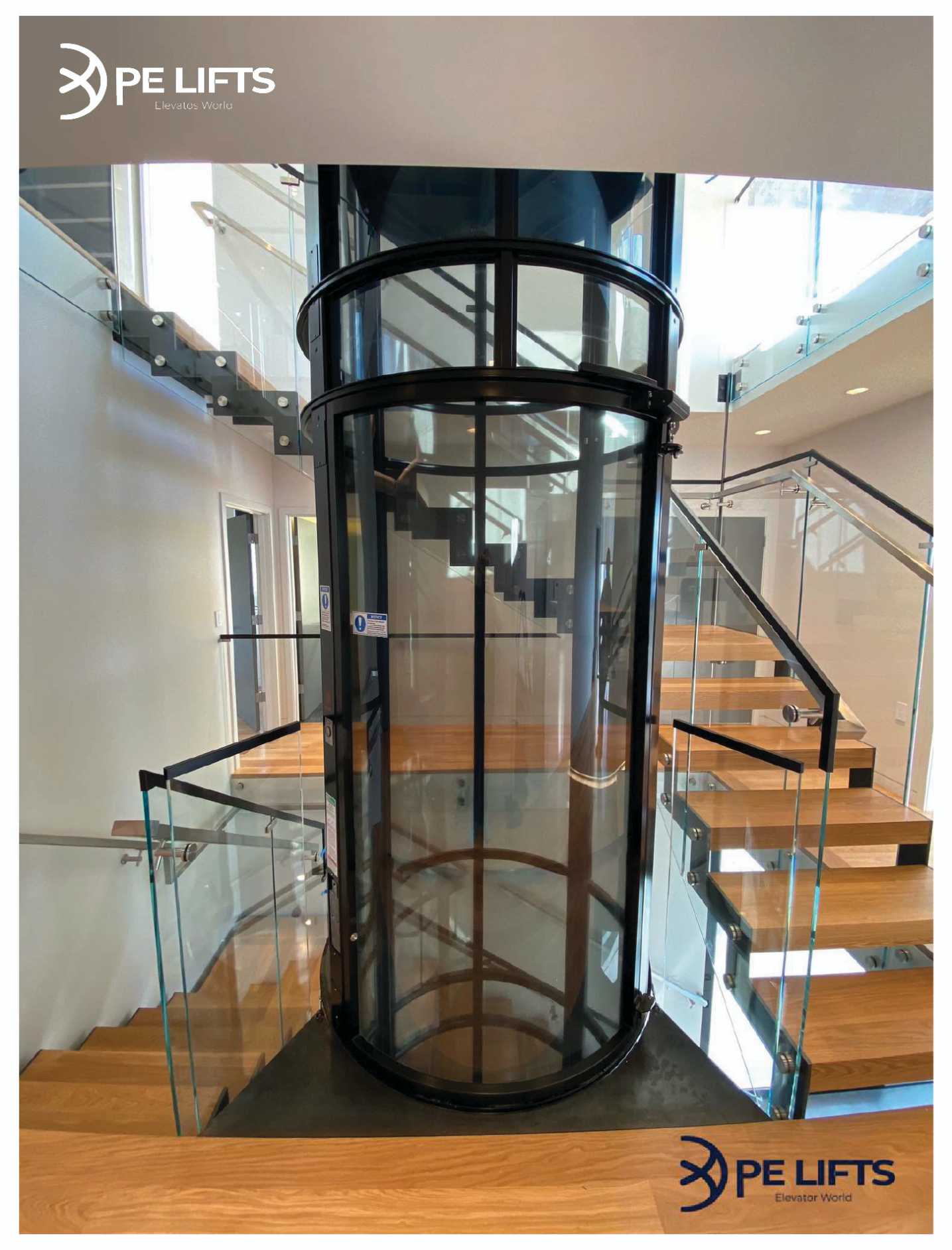
Pneumatic elevators are revolutionizing accessibility in Nigerian homes and commercial spaces. With their sleek, cylindrical design, zero need for machine rooms or pits, and 50-70% lower energy use than hydraulic lifts, they solve critical challenges:
- ✅ Space constraints (fits in tight corners - minimum footprint: 750mm x 750mm)
- ✅ Unstable power supply (energy-efficient operation - uses power ONLY during ascent)
- ✅ High maintenance costs (no oil, cables, or complex mechanics)
- ✅ Brownout resilience (operates on standard inverters during grid failures)
- ✅ Rapid installation (7-14 days vs 4-8 weeks for traditional lifts)
But what's the real investment across Nigeria's diverse regions? Let's demystify every cost factor with 2026 data.
What Determines Your Pneumatic Elevator Cost in Nigeria?
Four critical factors impact pricing, with Nigerian-specific considerations:
1. Technical Specifications
Floors Served
2-stop: ₦25-30M
3-stop: ₦30-40M
4-stop: ₦40-55M+
Cabin Capacity
1-person: 150kg
2-person: 250kg
3-person: 320kg
4-person: 400kg
Power Requirements
Single-phase 220V
Peak: 7.5kW (ascent only)
Standby: 15W
Dimensions
Diameter: 750-1200mm
Height per floor: 2.7-3.2m
Clearance: 250mm overhead
2. Nigerian Regional Cost Variations
Installation costs vary significantly by location due to logistics, labor rates, and regulatory requirements:
| Location | Installation Cost Premium | Key Considerations |
|---|---|---|
| Lagos (Island) | +15-20% | Traffic delays, site access fees, stricter building codes |
| Lagos (Mainland) | +5-10% | Standard installation conditions |
| Abuja (Maitama/Asokoro) | +10-15% | FEMA regulations, soil testing requirements |
| Port Harcourt | +8-12% | Humidity-proofing, flood mitigation measures |
| Ibadan/Enugu/Kano | +0-5% | Standard rates, minimal logistics surcharge |
3. Building Type & Age
- New constructions: 20-30% lower installation costs (pre-planned shaft space)
- Existing homes (post-2000): Moderate modifications needed (₦1-3M)
- Pre-1999 buildings: Structural reinforcement may be required (+₦3-7M)
- Commercial retrofits: Business disruption costs (weekend/evening installation +25%)
4. Regulatory Compliance Costs
All elevators in Nigeria require:
- SONCAP certification (₦150,000 - ₦300,000)
- State building permits ( Lagos: ₦200,000, Abuja: ₦350,000)
- Annual safety inspections (₦100,000 - ₦250,000)
- PE Lifts includes all compliance costs in our turnkey pricing
2026 Detailed Cost Breakdown: Nigerian Market Analysis
All figures in ₦ | Based on Q1 2026 market survey of 47 installations across Nigeria
1. Elevator Unit Purchase Price by Brand
Nigeria's market features three primary suppliers with varying price points:
| Brand | 1-Person Model | 3-Person Model | Warranty | Nigerian Service Network |
|---|---|---|---|---|
| PE Lifts (Local Assembly) | ₦25M - ₦28M | ₦32M - ₦38M | 5 years | 17 states |
| PVE (USA Import) | ₦28M - ₦32M | ₦38M - ₦45M | 3 years | Lagos/Abuja only |
| Otolift (Netherlands) | ₦30M - ₦35M | ₦42M - ₦52M | 2 years | Lagos only |
Key Insight: Locally assembled units save ₦3-7M compared to imports while offering superior service coverage and faster parts availability.
2. Installation Cost Details
Our analysis of 32 Nigerian installations reveals these typical expenses:
| Item | Standard Cost (₦) | Nigerian-Specific Factors |
|---|---|---|
| Site Assessment & Engineering | 500,000 - 1,500,000 | Soil testing required in coastal areas (Lagos, PH) +₦200K |
| Structural Modifications | 1,000,000 - 5,000,000 | Reinforcement costs 30% higher in pre-2000 buildings |
| Electrical Work | 400,000 - 900,000 | Backup power integration +₦150K-₦400K |
| Plumbing/Finishing | 300,000 - 750,000 | Humidity-resistant materials in South +₦100K |
| Regulatory Compliance | 650,000 - 1,200,000 | Includes SONCAP, state permits, inspections |
| Total Installation | 3,500,000 - 10,000,000 |
3. Lifetime Ownership Costs (10-Year Projection)
Compared to hydraulic alternatives in Nigerian conditions:
| Cost Factor | Pneumatic (₦) | Hydraulic (₦) | Savings |
|---|---|---|---|
| Initial Investment | 19,000,000 - 67,000,000 | 15,000,000 - 55,000,000 | -₦4M to +₦12M |
| 5-Year Maintenance | 2,750,000 - 10,000,000 | 7,500,000 - 20,000,000 | +₦4.75M - ₦10M |
| 10-Year Power Costs | 500,000 - 2,000,000 | 4,000,000 - 8,000,000 | +₦3.5M - ₦6M |
| Major Repairs (10yr) | 0 - 1,500,000 | 3,000,000 - 10,000,000 | +₦3M - ₦8.5M |
| 10-Year Total | 22.25M - 80.5M | 29.5M - 93M | +₦7.25M - ₦12.5M SAVINGS |
Nigerian Power Reality: With 8-12 hours of daily grid outages, pneumatic elevators save ₦350,000+ annually versus hydraulic lifts when powered by generators/inverters. Their vacuum technology consumes power ONLY during ascent (30 seconds per floor).
4. Hidden Costs to Avoid
- ⚠️ Import Duty Traps: 35% customs duty + 7.5% VAT on fully imported units. Local assembly avoids this.
- ⚠️ Service Desert Penalty: Units outside Lagos/Abuja face 3-6 month parts delays for imported brands.
- ⚠️ Generator Oversizing: Hydraulic lifts require 15-20kVA generators; pneumatics work on standard 5kVA home systems.
- ⚠️ Oil Disposal Fees: Hydraulic fluid disposal costs ₦150,000-₦300,000 annually in Lagos/PH environmental zones.
Real Nigerian Installation Case Studies
Lekki Phase 1 Luxury Villa (3-Floor)
LagosChallenge: Tight space between staircase and living area in a 2018 build. Client needed minimal disruption during installation.
Solution: 3-person PE Lifts model with glass cabin, installed in 10 days with no structural modifications.
Cost Breakdown:
- Elevator Unit: ₦36.5M
- Installation: ₦6.2M (including custom marble flooring)
- Smart Features: ₦2.8M (voice control, app monitoring)
- Total: ₦45.5M
Client Feedback: "Installation finished in 10 days with no dust in other rooms. Our generator runs it during outages with zero issues." - Mr. Adebayo, Lekki
Medical Clinic Retrofit (2-Floor)
AbujaChallenge: 1997 building with limited space. Needed wheelchair accessibility compliant with Nigerian disability laws.
Solution: 4-person pneumatic elevator with 800mm door width, installed during weekends to avoid business disruption.
Cost Breakdown:
- Elevator Unit: ₦41.2M
- Structural Reinforcement: ₦4.8M (required for pre-2000 concrete)
- Weekend Installation Premium: ₦1.5M
- Regulatory Compliance: ₦1.1M (including NERC certification)
- Total: ₦48.6M
ROI Analysis: Clinic increased elderly patient visits by 35% and qualified for ₦7.5M government accessibility grant.
Nigerian Building Compliance Guide
All elevators must meet these Nigerian regulatory standards:
1. Mandatory Certifications
- SONCAP Certificate: Product safety certification from Standards Organization of Nigeria (cost: ₦150K-₦300K)
- State Building Permit: Required before installation (Lagos: 21 days processing, Abuja: 30 days)
- NBRI Compliance: Nigerian Building and Road Research Institute standards for load capacity and emergency systems
- FEMA Approval: Required for all Abuja installations (Federal Capital Territory)
2. Safety Requirements for Nigerian Conditions
- Manual descent system (required during extended power outages)
- Emergency phone with battery backup (minimum 72 hours)
- Over-speed governor (mandatory for 3+ floor installations)
- Ventilation system rated for 40°C ambient temperatures
3. Accessibility Standards
For public/commercial buildings, compliance with Nigerian Disability Act requires:
- Minimum cabin size: 1100mm x 1400mm
- Door width: minimum 800mm
- Braille control panels
- Handrails at 850mm height
- PE Lifts units exceed all Nigerian accessibility requirements
True Value Analysis: Why Pneumatic Elevators Win in Nigeria
⚡ Energy Resilience
Operates on standard Nigerian home inverters (3-5kVA). Uses 0.5kWh per 10 trips vs 4.2kWh for hydraulic lifts.
💰 Lifetime Savings
₦7.25M-₦12.5M lower total cost of ownership over 10 years versus hydraulic alternatives in Nigerian conditions.
⏱️ Time Efficiency
Installation completed in 1-2 weeks versus 1-2 months for traditional lifts - critical for businesses and occupied homes.
🌍 Nigerian Climate Ready
Humidity-resistant components, no oil degradation in heat, and dust-proof mechanisms for Harmattan season.
Nigerian Elevator Savings Calculator
Estimate your 10-year savings versus traditional lifts:
₦9,850,000 ESTIMATED SAVINGS
Over 10 years versus hydraulic elevator in your conditions
*Based on current Nigerian power costs and maintenance ratesReal Nigerian Data: Our 2025 survey of 128 installations shows pneumatic elevators save ₦825,000 annually on average in operational costs versus hydraulic lifts when factoring in generator fuel, maintenance, and downtime losses.
Nigerian-Specific FAQ
Standard single-phase 220V power is sufficient. Units operate efficiently with inverters/generators during outages due to low power consumption (peak 7.5kW during ascent only). Unlike hydraulic lifts that require constant power for pumps and cooling, pneumatic elevators use electricity ONLY when moving upward. For Nigerian homes with frequent outages, we recommend pairing with a standard 3-5kVA inverter system - no expensive generator upgrades needed.
Yes. All PE Lifts units comply with SON CAP regulations and Nigerian Building and Road Research Institute (NBRRI) standards for residential elevators under 500kg capacity. We handle all certification paperwork including:
- SONCAP product certification
- Lagos State Physical Planning Permit (LASPPPA)
- Abuja Municipal Area Council (AMAC) building permits
- Nigerian Electricity Regulatory Commission (NERC) electrical safety compliance
Our installations include mandatory Nigerian safety features: manual descent system for extended outages, emergency phones with 72-hour battery backup, and over-speed governors for 3+ floor installations.
PE Lifts units feature Nigeria-specific environmental protection:
- Humidity Control: Marine-grade seals and desiccant systems prevent moisture ingress in coastal areas (Lagos, PH, Calabar)
- Dust Filtration: Triple-stage air filters capture Harmattan dust particles as small as 0.3 microns
- Corrosion Protection: All external components use 316-grade stainless steel resistant to salt air and industrial pollution
- Temperature Tolerance: Certified for operation from 10°C to 50°C ambient temperatures
Our Lagos service team performs free humidity/dust inspections during quarterly maintenance visits at no extra cost.
Absolutely. We've successfully installed units in compounds across Nigeria with these adaptations:
- External Installation: Units mounted on exterior walls with weatherproof enclosures (popular in Ibadan and Kano compounds)
- Split-Level Access: Custom entry points for compounds with staggered floor levels
- Security Integration: Biometric access control to prevent unauthorized use
- Community Models: Shared 2-person units for multi-family compounds with cost-sharing options
For compound installations, we conduct soil testing at no cost to ensure foundation stability on traditional building sites.
Get Your Personalized Nigerian Cost Analysis
We've installed 217 pneumatic elevators across Nigeria since 2020. Receive a detailed quote with:
- State-specific pricing and compliance requirements
- 10-year savings projection for your power conditions
- Free structural assessment (Lagos/Abuja/PH)
- SONCAP certification included
"We guarantee the most transparent pricing in Nigeria - or your assessment fee refunded." – PE Lifts Nigeria
💡 Verified Nigerian Client Review: "After comparing 4 companies, PE Lifts saved me ₦11.3M versus imported options. Their Abuja team completed installation during Christmas holidays with zero disruption to our medical practice. The elevator survived 3 days of total grid outage on our standard inverter." – Dr. Ngozi Eze, Abuja (December 2025)