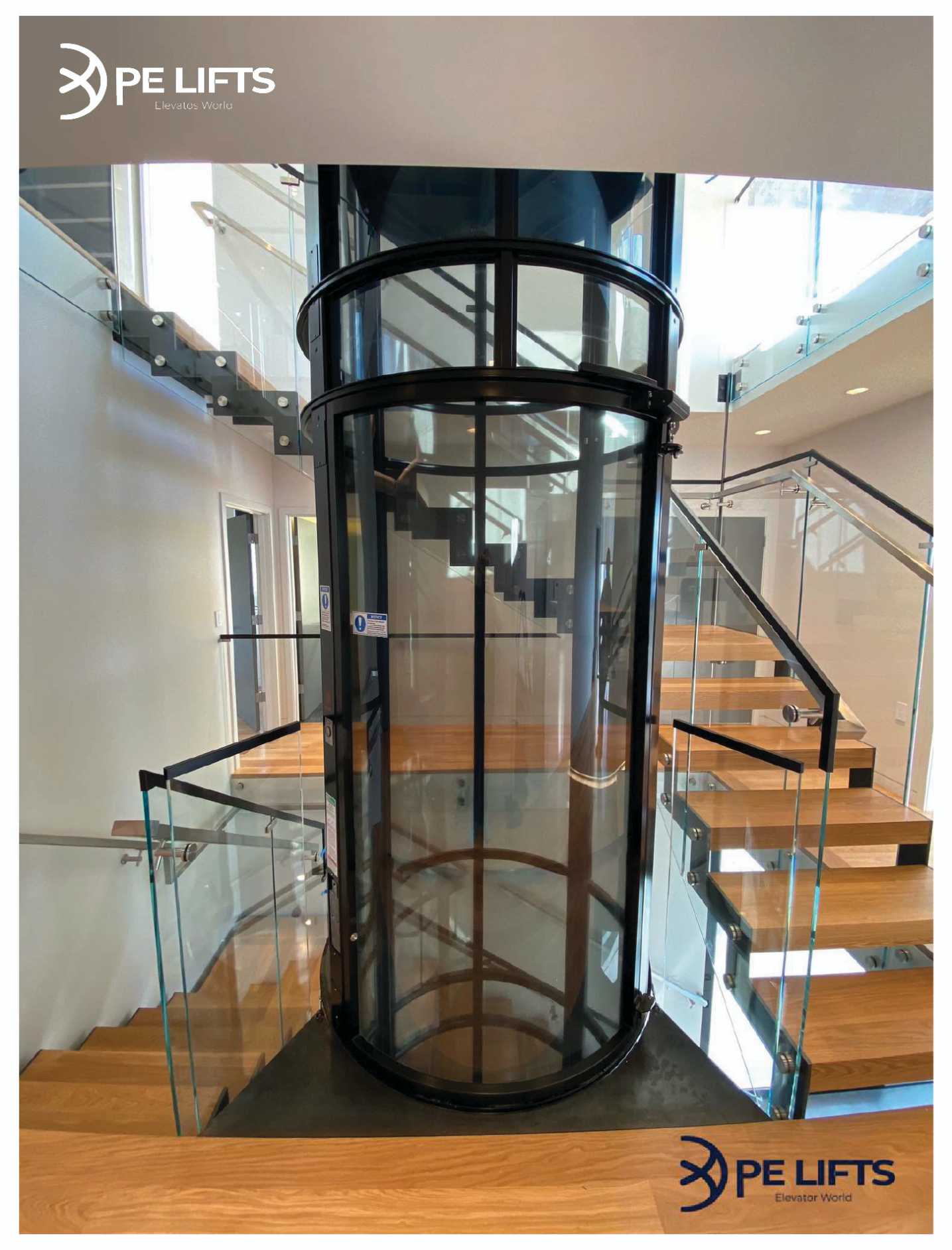
For many Nigerian families, a home is more than a building—it is a long-term investment and a place where multiple generations live together. As parents and grandparents grow older, ensuring they can move safely around the home becomes increasingly important.
In duplexes and multi-storey homes across Lagos, Abuja, Port Harcourt, Ibadan, and beyond, stairs can become one of the biggest mobility challenges for elderly residents.
This is why more homeowners are turning to residential elevators. However, the true value of a home elevator lies not only in convenience but also in the safety features that protect users every day.
When choosing an elevator for an elderly family member, three features stand out above the rest: emergency descent systems, secure no-fall-risk door technology, and spacious interior design.
Why Safety Is Critical for Seniors
As people age, everyday activities can become more challenging.
Common mobility concerns include:
- Arthritis and joint pain
- Reduced balance
- Slower reflexes
- Muscle weakness
- Difficulty climbing stairs
These changes increase the likelihood of falls and injuries, particularly in homes with multiple floors.
A properly designed home elevator helps eliminate many of these risks while providing safe, comfortable movement throughout the home.
Emergency Descent: Protection When Power Fails
One of the first questions many Nigerian homeowners ask is:
"What happens if electricity goes out while someone is inside the elevator?"
This concern is understandable, especially in areas where power interruptions may occur.
That is where an emergency descent system becomes essential.
What Is Emergency Descent?
Emergency descent technology automatically lowers the elevator to a safe landing floor during a power interruption.
Instead of stopping between floors, passengers can exit safely and comfortably.
Benefits for Elderly Users
Emergency descent provides:
- Increased passenger confidence
- Reduced fear of being trapped
- Faster access to a safe exit
- Enhanced overall reliability
For elderly users, knowing the elevator has a built-in response to unexpected situations can make daily use far more reassuring.
Secure Door Systems That Help Prevent Falls
Falls remain one of the leading causes of injury among seniors.
Because of this, elevator door safety should never be overlooked.
Modern residential elevators are equipped with intelligent door protection systems designed to eliminate common risks.
Key Door Safety Features
These systems often include:
- Electronic door locks
- Electric locking mechanisms
- Door safety sensors
- Automatic landing protection
These features ensure doors only open when the elevator is properly aligned with the floor.
This prevents dangerous gaps that could lead to trips or falls.
For elderly users who may struggle with balance, this added protection is invaluable.
Interior Space Matters More Than You Think
Many homeowners focus on elevator technology but overlook cabin size.
For seniors, interior space directly impacts safety and comfort.
A larger cabin allows users to move naturally without feeling restricted.
This becomes particularly important for individuals who use:
- Walking sticks
- Walking frames
- Wheelchairs
- Mobility aids
How Spacious Cabins Improve Safety
Adequate interior space can:
- Reduce accidental bumps and collisions
- Improve wheelchair accessibility
- Allow easier entry and exit
- Create a more comfortable travel experience
- Accommodate a caregiver when necessary
The more comfortable a user feels inside the elevator, the more confidently they can use it independently.
Smooth Travel Improves Stability
A safe elevator should provide more than transportation—it should provide stability.
Older adults are often more sensitive to sudden movements.
High-quality residential elevators are designed with:
- Smooth acceleration
- Controlled stopping
- Gentle movement between floors
This helps passengers remain stable throughout the journey and reduces the likelihood of losing balance.
Emergency Communication Systems
Another important consideration is the ability to call for assistance when needed.
Many residential elevators include:
- Alarm systems
- Emergency contact functions
- Cabin telephones
- Communication connections
These features allow users to quickly notify family members or emergency contacts if assistance is required.
For seniors who spend time alone during the day, this extra layer of security can be extremely valuable.
Ventilation and Passenger Comfort
Safety is also about maintaining a comfortable environment.
Modern residential elevators often include emergency ventilation systems that continue operating even if normal power is interrupted.
Benefits include:
- Consistent airflow
- Improved comfort
- Reduced anxiety
- Better passenger well-being
For elderly users, these features help create a more pleasant and reassuring travel experience.
Battery Backup Systems Provide Added Security
Reliable backup systems help ensure passengers remain safe during unexpected situations.
Many modern home elevators include:
- Auxiliary battery systems
- Emergency cabin lighting
- Backup fan operation
These features help maintain visibility and comfort while emergency systems are activated.
Supporting Independent Living
One of the greatest benefits of a safe home elevator is the independence it provides.
Rather than relying on family members to navigate stairs, seniors can move freely throughout their homes.
This allows them to:
- Access every floor comfortably
- Maintain daily routines
- Participate in family activities
- Preserve confidence and dignity
A safe elevator does more than improve mobility—it improves quality of life.
Frequently Asked Questions
Why is emergency descent important for home elevators?
Emergency descent allows passengers to exit safely during power interruptions, reducing the risk of being stranded.
How do elevator door safety systems prevent falls?
They ensure doors only open when the elevator is properly aligned with a floor, eliminating dangerous gaps.
Is cabin size important for elderly users?
Yes. Larger cabins provide greater comfort, easier movement, and improved accessibility for mobility aids and wheelchairs.
What happens if someone needs help inside the elevator?
Many residential elevators include emergency communication systems such as alarms and cabin phones.
Can a home elevator help seniors remain independent?
Absolutely. Home elevators provide safe access between floors and reduce dependence on others for mobility.
Final Thoughts
For Nigerian homeowners, choosing a residential elevator is about more than convenience—it is about creating a safer home for the future.
Features such as emergency descent systems, secure no-fall-risk door technology, spacious interiors, emergency communication, and backup power systems work together to provide confidence and peace of mind.
By prioritizing these safety features, families can help elderly loved ones enjoy greater independence, improved mobility, and a higher quality of life while remaining comfortably at home.