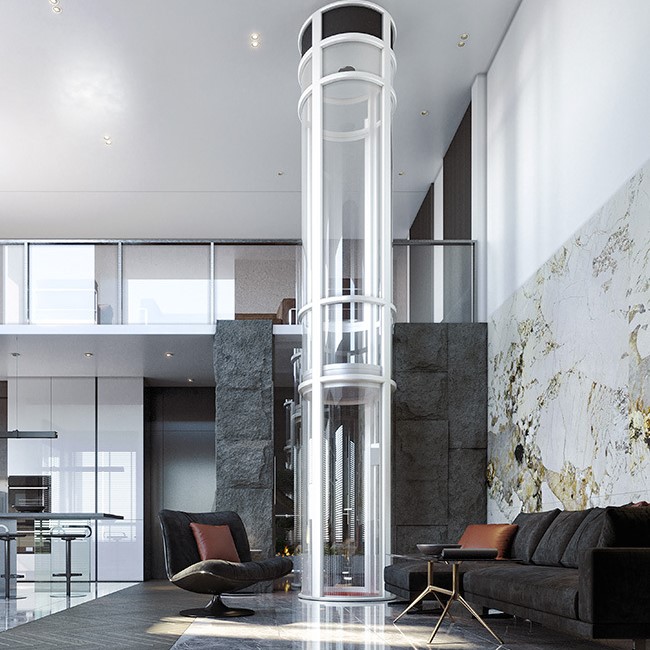
The main types of commercial elevators available in Nigeria include passenger elevators, freight elevators, hospital elevators, and panoramic elevators. Each type serves a different purpose, from moving people between floors to transporting heavy goods, supporting hospital operations, and enhancing the appearance of commercial buildings.
Choosing the right elevator depends on the building's purpose, passenger traffic, load requirements, available space, safety needs, and budget. Understanding the differences helps developers, architects, property owners, and facility managers make informed decisions.
1. What Is a Passenger Elevator?
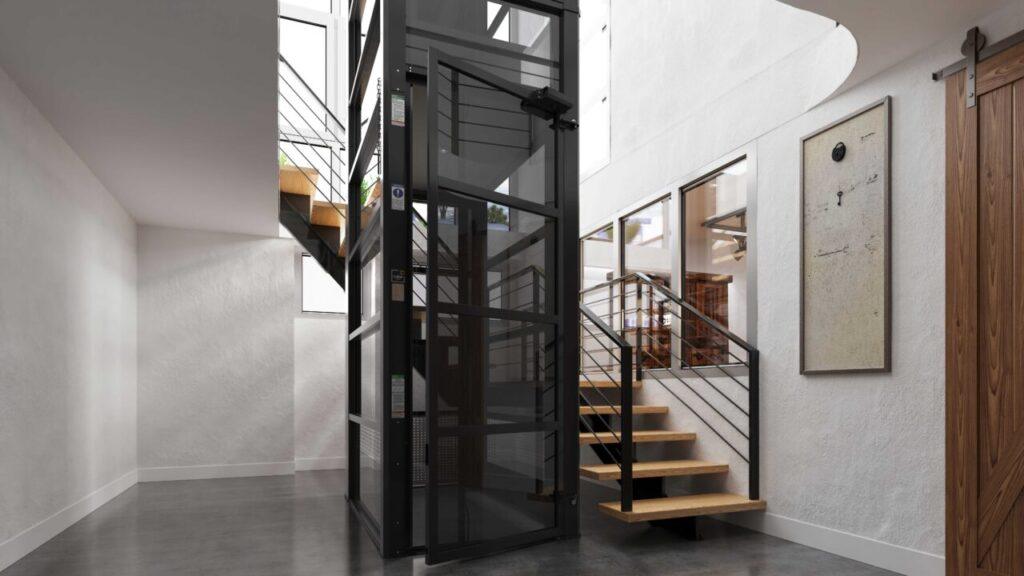
A passenger elevator is designed primarily to transport people safely and efficiently between floors. It is commonly installed in office complexes, hotels, shopping centres, residential towers, and other multi-storey commercial buildings.
Passenger elevators are available in different capacities, speeds, cabin sizes, and finishes. The appropriate configuration depends on the number of people using the building and how frequently they travel between floors.
Key benefits of passenger elevators:
- Improve movement between floors.
- Reduce waiting and travel times when correctly specified.
- Support accessibility for people with mobility needs.
- Accommodate different building layouts and passenger demands.
- Enhance the convenience of commercial properties.
When selecting a passenger elevator in Nigeria, consider the expected occupancy, number of floors, peak-hour traffic, electrical requirements, safety provisions, and availability of maintenance support.
2. What Is a Freight Elevator?
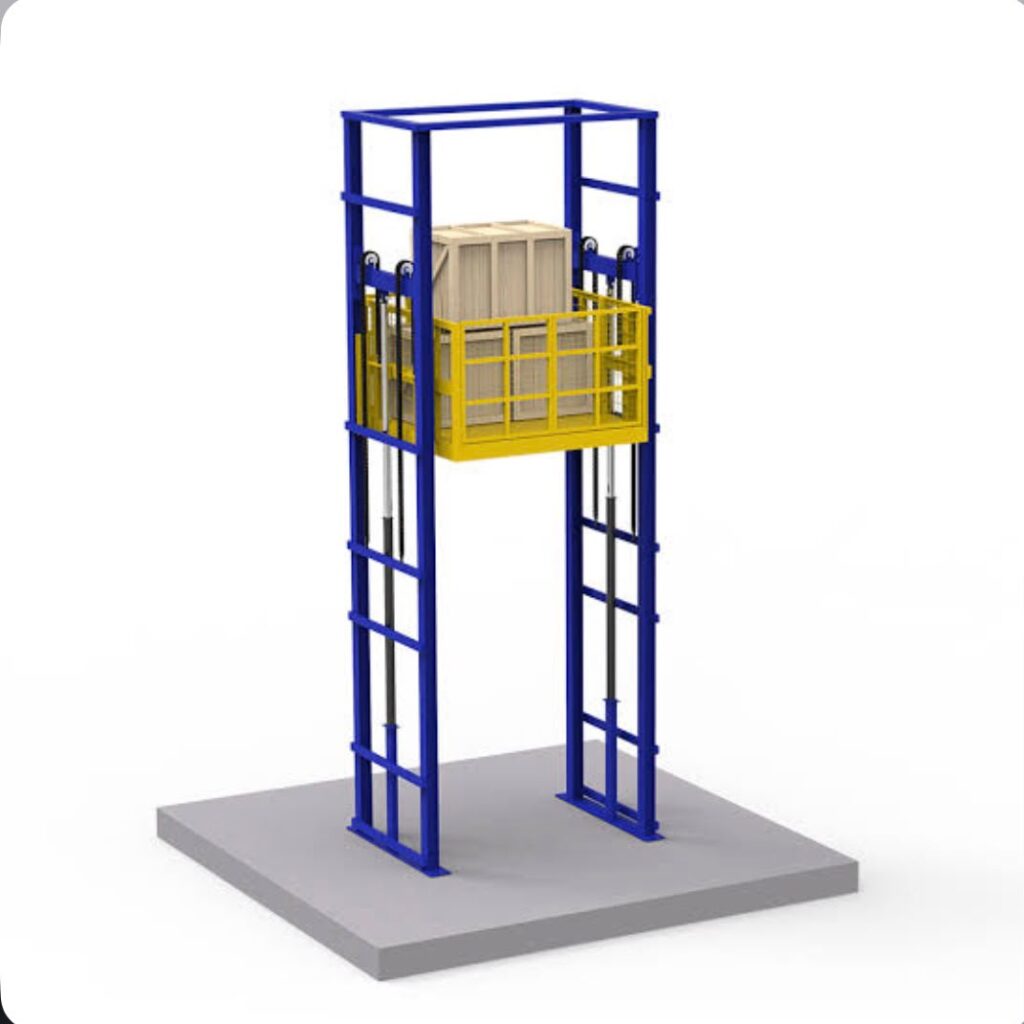
A freight elevator, also called a goods elevator, is designed to transport materials, equipment, merchandise, and other loads between floors. It is commonly used in warehouses, factories, shopping centres, hotels, distribution facilities, and commercial storage buildings.
Unlike a standard passenger elevator, a freight elevator is selected primarily according to load requirements, cargo dimensions, loading methods, and operating conditions.
Key benefits of freight elevators:
- Support the movement of heavy goods.
- Improve material-handling efficiency.
- Reduce reliance on manual movement between floors.
- Help separate goods transportation from passenger traffic.
- Accommodate demanding commercial operations when correctly specified.
Before installation, assess the maximum load, size of goods, trolley or pallet requirements, door dimensions, floor loading, and frequency of use. Freight elevators should be selected and operated according to their rated capacity and intended purpose.
3. What Is a Hospital Elevator?
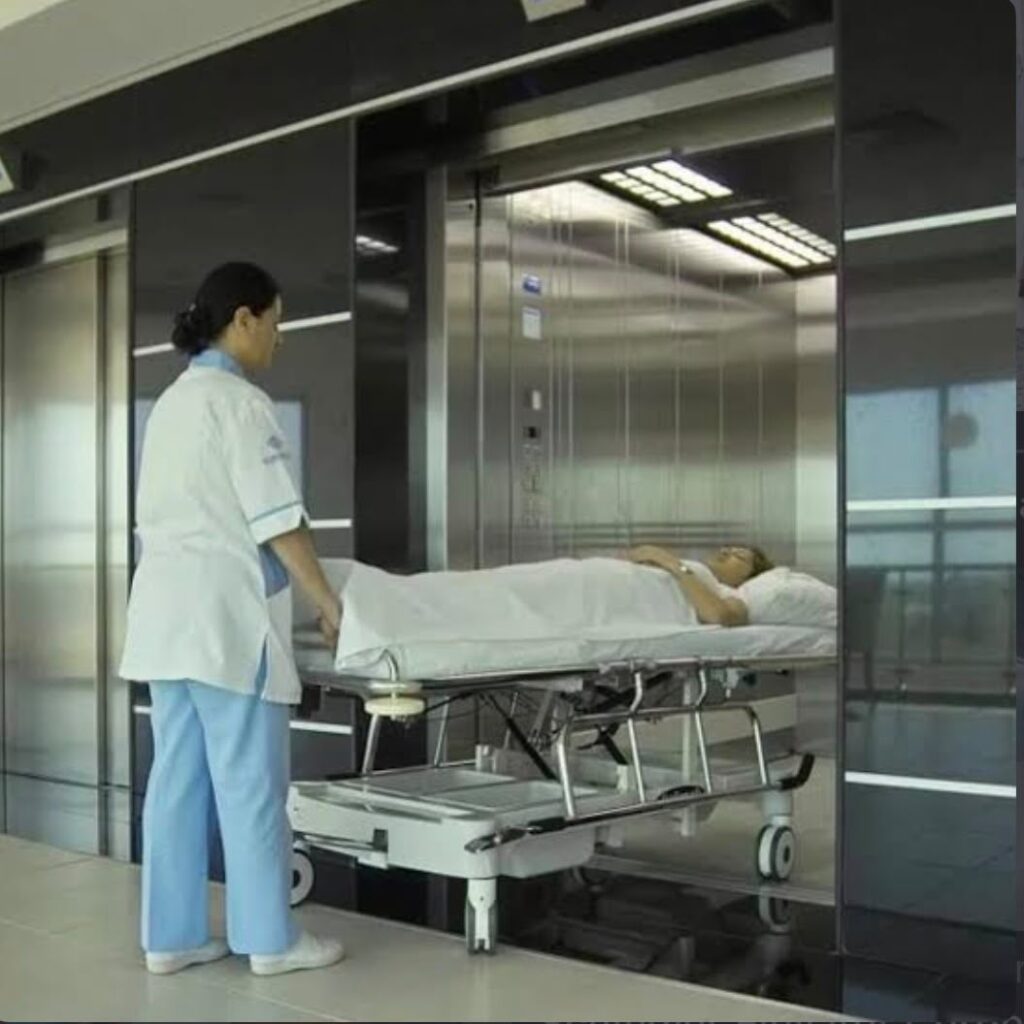
Hospital elevators are designed to support movement within healthcare facilities. Depending on their configuration, they can accommodate patients on beds or stretchers, medical staff, visitors, wheelchairs, and medical equipment.
They are commonly installed in hospitals, specialist clinics, medical centres, and other healthcare buildings with multiple floors.
Hospital elevator design must consider the movement of patients and the operational demands of healthcare teams.
Key benefits of hospital elevators:
- Accommodate beds, stretchers, and medical equipment where specified.
- Support movement between wards, treatment areas, and diagnostic departments.
- Provide space for medical staff and accompanying personnel.
- Help improve patient transportation within multi-storey facilities.
- Support efficient healthcare operations.
When specifying a hospital elevator, consider cabin dimensions, door width, levelling accuracy, smooth operation, emergency communication, accessibility, and the building's patient-flow requirements.
Where elevators are intended for bed or stretcher transport, the cabin must be large enough for the relevant equipment and required manoeuvring space.
4. What Is a Panoramic Elevator?
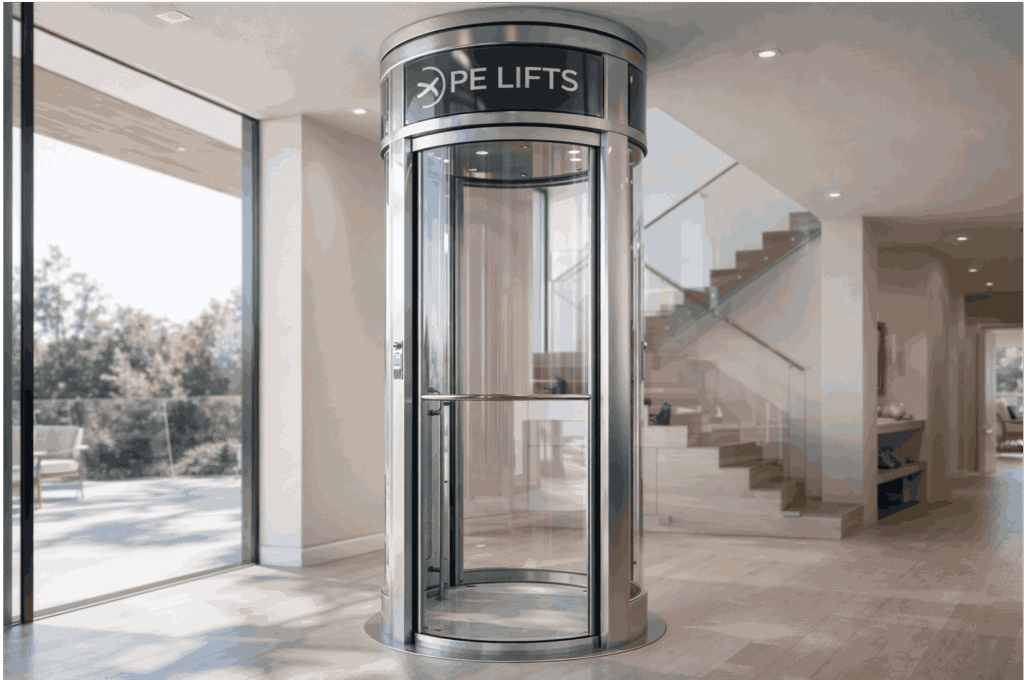
A panoramic elevator features glass panels or a transparent cabin design that allows passengers to view the surrounding building or landscape while travelling between floors.
These elevators are often used in shopping malls, hotels, luxury commercial properties, entertainment centres, and buildings where architectural appearance is an important consideration.
Panoramic elevators can serve a practical transportation purpose while also contributing to a property's visual appeal.
Key benefits of panoramic elevators:
- Provide attractive architectural features.
- Improve the visual experience for passengers.
- Complement modern commercial interiors.
- Create a distinctive feature in hotel lobbies and shopping centres.
- Offer visibility across suitable atriums or open spaces.
When choosing a panoramic elevator, consider glass specifications, structural support, cabin capacity, passenger privacy, lighting, cleaning access, and maintenance requirements. The design must also meet the relevant safety standards for the installation.
How Do You Choose the Right Commercial Elevator in Nigeria?
The best commercial elevator depends on how the building operates. Use the following comparison as an initial guide.
| Elevator type | Primary purpose | Common applications |
|---|---|---|
| Passenger | Transporting people | Offices, hotels, shopping centres |
| Freight | Transporting goods and materials | Warehouses, factories, retail facilities |
| Hospital | Supporting patient and medical transport | Hospitals, clinics, medical centres |
| Panoramic | Passenger transport with a visual experience | Hotels, malls, premium commercial buildings |
Before choosing a system, evaluate the following factors:
- Building use: Determine whether the primary need is passenger transport, goods movement, healthcare operations, or architectural appeal.
- Capacity: Match the rated load and cabin dimensions to expected usage.
- Speed and traffic: Consider the number of floors, travel distance, and peak-hour demand.
- Space requirements: Confirm shaft dimensions, pit depth, overhead clearance, and installation access.
- Safety and compliance: Check applicable Nigerian building requirements and relevant elevator safety standards.
- Maintenance: Confirm access to qualified technicians, suitable spare parts, and ongoing technical support.
- Lifecycle cost: Consider installation, electricity consumption, servicing, and future repairs.
Consulting an experienced elevator professional during the design stage can help avoid unsuitable specifications and costly modifications.
Frequently Asked Questions
Which commercial elevator is best for an office building in Nigeria?
Passenger elevators are generally suitable for office buildings. The required capacity, speed, and number of elevators depend on building height, occupancy, and passenger traffic.
What is the difference between a freight elevator and a passenger elevator?
A passenger elevator is designed primarily for people, while a freight elevator is designed primarily for goods and materials. Each must be selected and operated according to its intended use and rated capacity.
Are hospital elevators different from standard passenger elevators?
Yes. Hospital elevators may require larger cabins, wider doors, and configurations suitable for beds, stretchers, and medical equipment. Their specifications depend on the healthcare facility's operational requirements.
Where are panoramic elevators commonly installed?
Panoramic elevators are often installed in hotels, shopping malls, atriums, and premium commercial buildings where visibility and architectural appearance are important.
How much does a commercial elevator cost in Nigeria?
The cost depends on elevator type, capacity, speed, travel height, number of floors, finishes, installation conditions, and maintenance requirements. Request a project-specific quotation based on the building's technical specifications.
Conclusion: Choose the Right Commercial Elevator for Your Building
Passenger, freight, hospital, and panoramic elevators each serve different needs within Nigeria's commercial property sector. Selecting the right type requires careful consideration of building use, capacity, safety, accessibility, available space, and long-term operating costs.
A well-planned elevator installation can improve building functionality, support efficient movement, and provide a better experience for occupants and visitors.
Planning a commercial elevator installation or upgrading an existing system in Nigeria? Contact PE Lifts Services for professional elevator assessment, installation support, maintenance, repair, and modernisation. Let our team help you identify a suitable solution for your building's requirements.