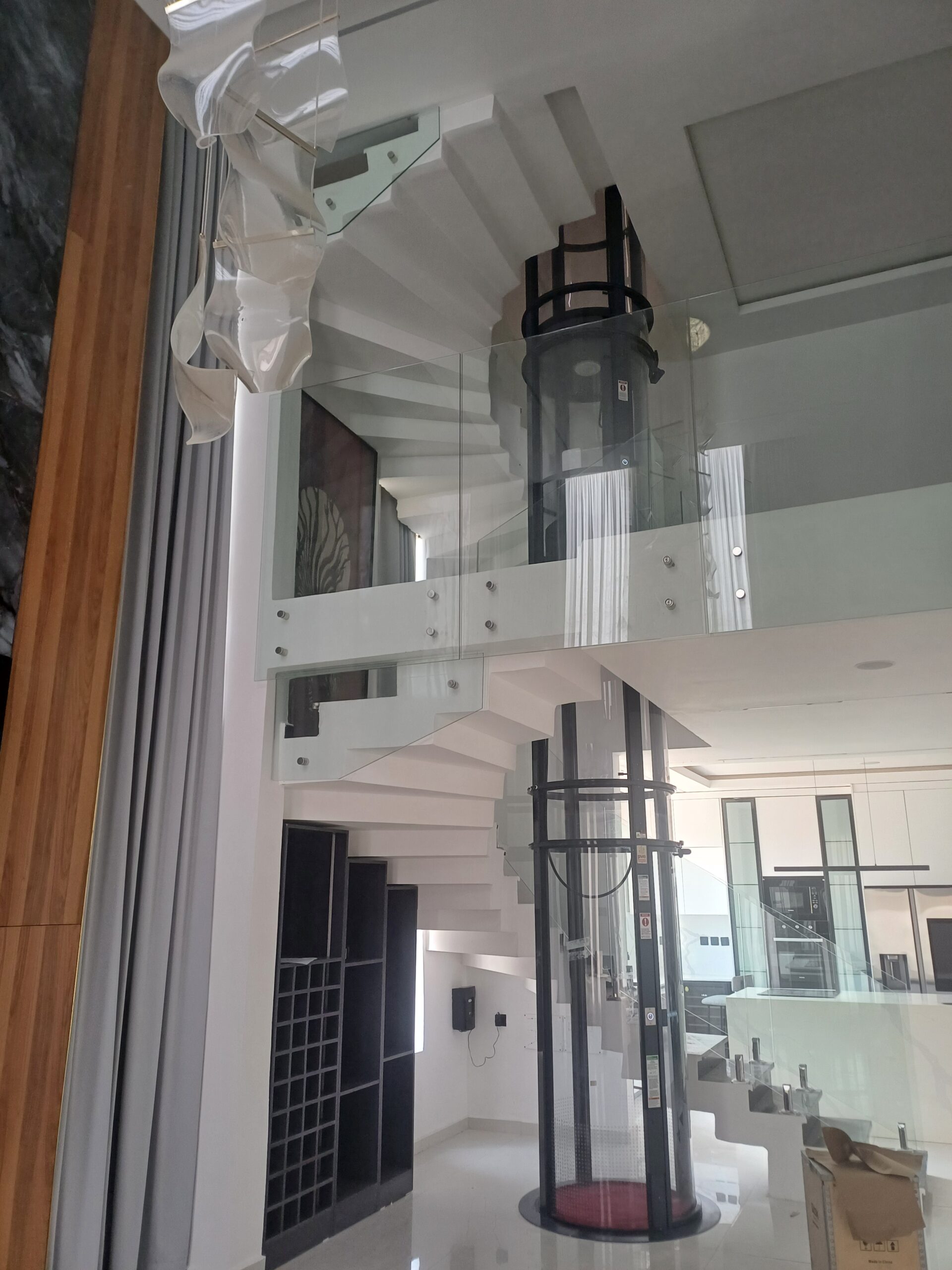
Elevators have become an essential part of modern buildings across Nigeria. From residential apartments and office towers to hospitals, hotels, shopping malls, and mixed-use developments, lifts make daily movement easier, faster, and more convenient.
But while elevators are designed to operate safely, their safety depends heavily on regular maintenance.
Many building owners assume that if an elevator is still moving, everything is working perfectly. Unfortunately, that's not always the case. Like any mechanical and electrical system, elevator components wear out over time. Without routine inspections and preventive servicing, small faults can develop into major failures that put passengers at risk and lead to expensive repairs.
In Nigeria, where power fluctuations, high usage, dust, humidity, and ageing infrastructure can place additional strain on elevator systems, maintenance isn't simply recommended—it's essential.
The Reality of Elevator Failures in Nigeria
As Nigeria's cities continue to grow, more residential and commercial buildings are relying on elevators every day. However, industry experience shows that a significant number of elevator breakdowns are linked to poor maintenance, delayed servicing, ageing components, improper repairs, or the use of unqualified technicians.
Common issues include:
- Sudden elevator shutdowns
- Doors failing to open or close properly
- Floor levelling problems
- Control system faults
- Power-related interruptions
- Worn mechanical components
- Emergency systems not functioning correctly
While publicly available nationwide statistics on elevator failures are limited, facility managers and maintenance professionals consistently report that preventive maintenance dramatically reduces the likelihood of unexpected breakdowns and improves passenger safety.
The lesson is clear: waiting until an elevator fails is both risky and expensive.
Why "It Still Works" Isn't a Maintenance Plan
One of the most common mistakes building owners make is believing that an elevator doesn't need servicing unless something goes wrong.
An elevator can continue operating while hidden problems develop inside the system.
For example:
- Brake components may begin to wear.
- Door sensors may lose accuracy.
- Electrical connections may become loose.
- Rollers and bearings may deteriorate.
- Emergency systems may require testing.
- Lubrication may no longer be sufficient.
These issues often remain unnoticed until they eventually cause a breakdown.
Preventive maintenance identifies and resolves these problems before they affect passengers.
What Happens When Maintenance Is Ignored?
Neglecting elevator maintenance can have serious consequences for both building owners and occupants.
1. Increased Safety Risks
Passenger safety should always be the highest priority.
A poorly maintained elevator may develop faults that affect door operation, floor stopping accuracy, emergency systems, or ride quality.
Routine inspections help ensure these systems continue functioning correctly.
2. Unexpected Breakdowns
An elevator failure rarely happens at a convenient time.
A breakdown during business hours can inconvenience tenants, employees, customers, hospital patients, or visitors.
For residential buildings, it can be particularly difficult for elderly residents, people with disabilities, and families with young children.
3. Higher Repair Costs
Small maintenance issues are usually inexpensive to correct.
However, when they are ignored, they can damage other components and result in far more costly repairs.
Replacing a worn roller is often much cheaper than repairing damage caused by a failed door system.
4. Shorter Equipment Lifespan
Elevators represent a significant investment.
Without regular servicing, components experience unnecessary wear, reducing the overall lifespan of the system.
Routine maintenance helps protect that investment for many years.
5. Damage to Your Building's Reputation
For commercial buildings, a frequently broken elevator creates a poor impression.
Tenants, customers, and visitors expect reliable vertical transportation.
Recurring elevator failures may reduce tenant satisfaction and negatively affect your property's reputation.
Why Nigeria's Environment Makes Maintenance Even More Important
Operating conditions in Nigeria can be demanding for elevator systems.
Several environmental factors can increase wear on components, including:
- Frequent power fluctuations
- Heavy daily usage in busy buildings
- Dust accumulation
- High temperatures
- Humidity in coastal regions
- Seasonal weather changes
These conditions make regular inspections even more valuable.
Professional maintenance helps ensure the elevator continues operating safely despite these environmental challenges.
Preventive Maintenance Saves Money
Some property owners delay maintenance because they view it as an unnecessary expense.
In reality, preventive maintenance often reduces long-term operating costs.
Benefits include:
- Fewer emergency call-outs
- Reduced repair bills
- Less downtime
- Longer equipment life
- Improved energy efficiency
- Better reliability
Routine servicing is an investment in the long-term performance of your elevator.
What Should a Professional Maintenance Visit Include?
A qualified elevator maintenance provider should carry out comprehensive inspections that include:
- Door safety systems
- Emergency alarm testing
- Electrical components
- Control systems
- Mechanical parts
- Brake systems
- Guide rails
- Lubrication of moving components
- Ride quality checks
- Performance testing
Regular inspections allow technicians to identify potential issues before they become serious problems.
Why Choose a Professional Maintenance Partner?
Elevator maintenance should only be performed by trained professionals with the knowledge and equipment required to inspect, adjust, and service lift systems safely.
Working with an experienced maintenance company provides:
- Scheduled preventive maintenance
- Qualified technicians
- Genuine replacement parts where required
- Emergency support
- Maintenance records
- Improved equipment reliability
Choosing a trusted maintenance partner helps ensure your elevator continues operating safely throughout its lifespan.
Frequently Asked Questions
Why do elevators need maintenance if they appear to be working?
Many mechanical and electrical problems develop gradually and cannot be seen by passengers. Preventive maintenance identifies these issues before they cause breakdowns.
Can poor maintenance increase safety risks?
Yes. Neglected maintenance can affect door systems, braking components, emergency features, and overall elevator performance.
Does preventive maintenance reduce repair costs?
Yes. Identifying minor issues early is usually far less expensive than repairing major failures after a breakdown.
Is maintenance necessary for new elevators?
Absolutely. Even newly installed elevators require routine servicing to maintain safe, reliable, and efficient operation.
Don't Wait for a Breakdown
An elevator is too important to be maintained only after something goes wrong.
Regular servicing improves safety, reduces costly repairs, extends equipment life, and gives building owners confidence that their lift is operating as it should.
Whether your building serves residents, employees, customers, or patients, preventive maintenance is one of the smartest decisions you can make.
Keep Your Elevator Running Safely with PE Lifts Nigeria
Your elevator deserves expert care before problems arise.
Contact PE Lifts Nigeria today to schedule a professional maintenance inspection or discuss an Annual Maintenance Contract (AMC) tailored to your building. Our experienced technicians provide preventive maintenance, safety inspections, and reliable technical support to help keep your elevator operating safely and efficiently.