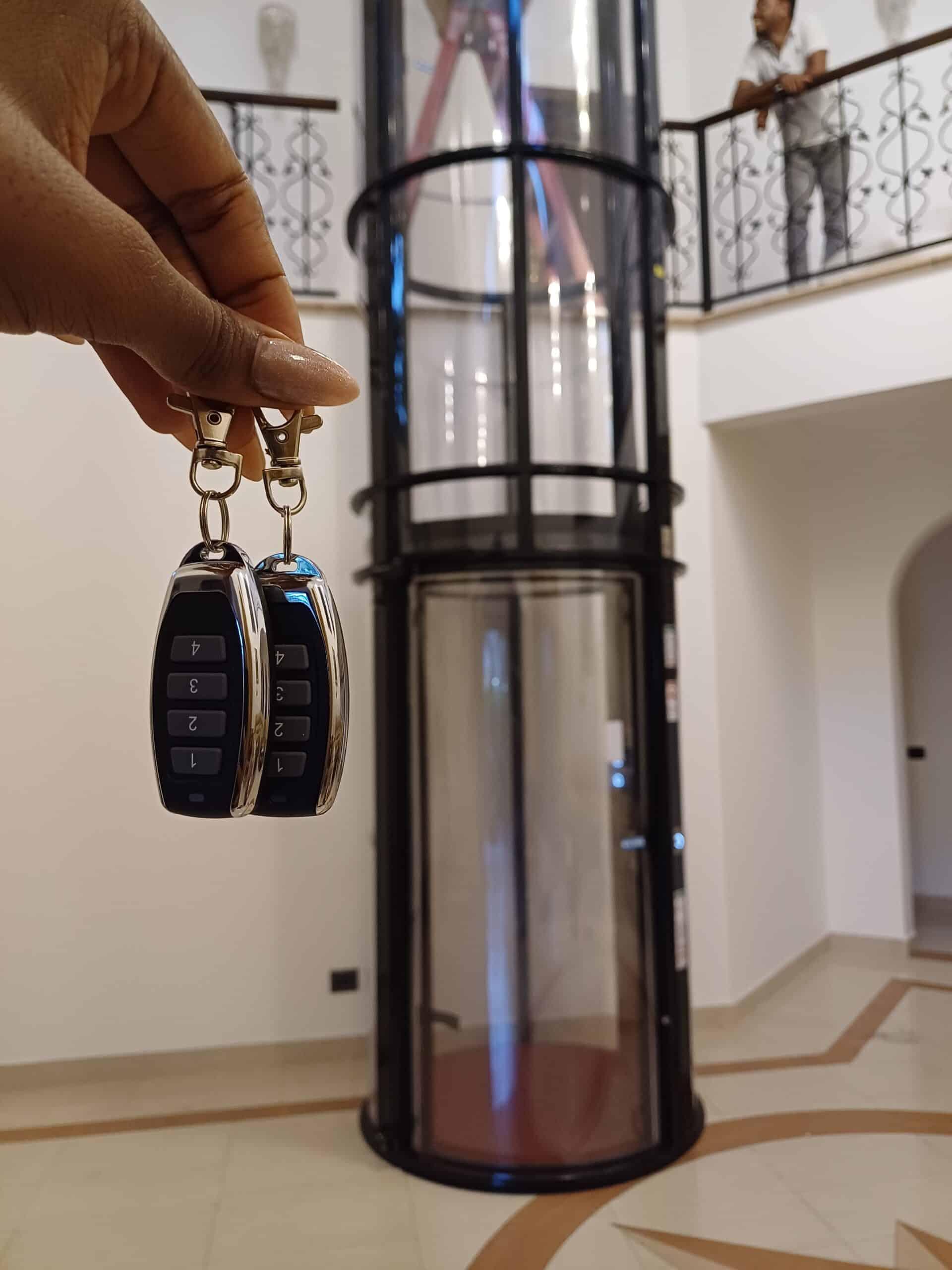
As more Nigerian families look for safer and more comfortable ways to support ageing parents and grandparents, home elevators are becoming increasingly popular. However, many homeowners still have questions about how residential elevators work, their safety features, installation requirements, and costs.
This guide answers some of the most frequently asked questions about home elevators for elderly users in Nigeria.
1. Why Should an Elderly Person Use a Home Elevator?
A home elevator provides a safe and convenient alternative to climbing stairs. As people age, mobility challenges, joint pain, arthritis, and balance issues can make stairs difficult and potentially dangerous.
A residential elevator helps elderly users:
- Move between floors safely
- Maintain independence
- Reduce the risk of falls
- Access all areas of the home comfortably
- Improve overall quality of life
2. Are Home Elevators Safe for Seniors?
Yes. Modern residential elevators are designed with multiple safety systems specifically to protect users.
Common safety features include:
- Emergency descent systems
- Automatic door locks
- Battery backup systems
- Emergency alarm buttons
- Door safety sensors
- Emergency communication systems
These features help ensure safe operation even during unexpected situations.
3. What Happens During a Power Outage?
This is one of the most common concerns among Nigerian homeowners.
Many modern home elevators include an automatic emergency descent system. If electricity is interrupted, the elevator safely travels to the nearest floor and allows passengers to exit normally.
Some models also include backup batteries that power essential functions such as lighting, ventilation, and communication systems.
4. Can a Home Elevator Be Installed in an Existing House?
Yes.
Many homeowners assume elevators are only suitable for newly constructed buildings, but modern residential elevators can often be installed in existing homes.
Depending on the model, installation may require minimal structural modifications. Compact elevator designs can fit into surprisingly small spaces without extensive renovations.
5. How Much Space Is Required?
The amount of space depends on the elevator model and capacity.
Some modern home elevators have a compact footprint and can be installed in areas such as:
- Stairwell voids
- Corners of living spaces
- Existing openings between floors
- Renovated interior spaces
A professional site assessment can determine the best location within the home.
6. Can a Wheelchair Fit Inside a Home Elevator?
Yes, provided you select a wheelchair-accessible model.
Wheelchair-friendly elevators are designed with larger cabin dimensions that accommodate wheelchairs, walkers, caregivers, and mobility aids comfortably.
Families planning for long-term accessibility often choose wheelchair-compatible elevators to future-proof their homes.
7. Are Home Elevators Difficult for Elderly People to Operate?
No.
Modern residential elevators are intentionally designed for simplicity. Most systems feature:
- Easy-to-read control panels
- Clearly marked buttons
- Smooth operation
- Automatic door systems
Many elderly users find elevators easier and safer to use than stairs after only a short introduction.
8. How Long Does Installation Take?
Installation timelines vary depending on the elevator type and site conditions.
However, many modern residential elevator systems can be installed within a few days once the site is prepared.
The process typically includes:
- Home assessment
- Elevator design approval
- Installation
- Safety testing
- User training
Professional installers provide a clear schedule before work begins.
9. Will the Elevator Increase My Electricity Bill?
Home elevators are generally energy efficient.
Modern residential elevator systems are designed to consume relatively low amounts of power compared to many household appliances. Energy usage depends on factors such as frequency of use and elevator type.
Many homeowners are surprised to learn that home elevators can operate with modest energy consumption.
10. Does a Home Elevator Require Regular Maintenance?
Yes.
Routine maintenance is essential for ensuring safety, reliability, and long-term performance.
Regular servicing typically includes:
- Safety inspections
- System testing
- Component checks
- Cleaning and lubrication where required
Following the manufacturer's maintenance schedule helps prevent unexpected issues.
11. Can Children Use the Elevator Safely?
Most residential elevators include safety measures that help protect younger users.
Common features include:
- Child safety switches
- Door interlocks
- Emergency stop functions
- Controlled access settings
Parents should still supervise young children and ensure they understand proper elevator use.
12. Does Installing an Elevator Increase Property Value?
In many cases, yes.
A home elevator can enhance a property's appeal, particularly for:
- Multi-storey homes
- Luxury residences
- Accessible housing markets
- Families planning long-term occupancy
Accessibility features are becoming increasingly attractive to homebuyers seeking future-ready properties.
13. Is a Home Elevator Better Than a Stair Lift?
For many homeowners, the answer is yes.
While stair lifts can help individuals navigate stairs, home elevators often provide greater comfort, flexibility, and accessibility.
Advantages of a home elevator include:
- Wheelchair accessibility
- More interior space
- Easier transportation of items
- Better aesthetics
- Increased property value
- Greater long-term usability
The best option depends on the user's needs, available space, and mobility requirements.
14. Who Should Consider Installing a Home Elevator?
A residential elevator is an excellent choice for:
- Elderly homeowners
- Families caring for ageing parents
- Individuals with mobility challenges
- Wheelchair users
- Homeowners planning for future accessibility
Installing an elevator before mobility issues become severe can help families avoid costly modifications later.
Final Thoughts
Home elevators are no longer considered luxury additions reserved for large estates. Today, they are practical accessibility solutions that help elderly individuals maintain independence, safety, and comfort within their homes.
If you are considering a home elevator for an ageing loved one in Nigeria, understanding the answers to these frequently asked questions can help you make a confident and informed decision. The right elevator can provide years of convenience while creating a safer living environment for the entire family.