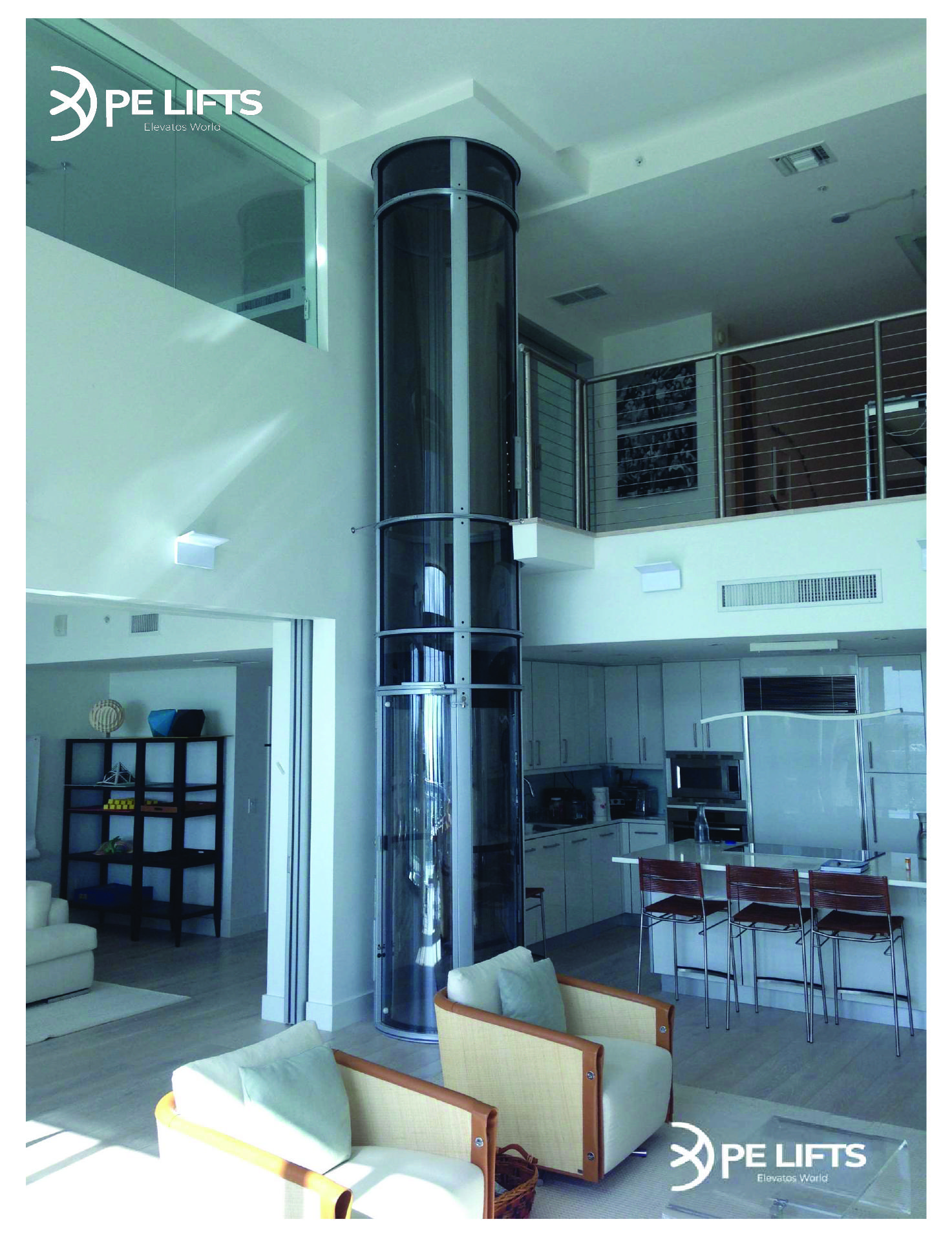
As more Nigerian families choose to age in place, home accessibility has become an important consideration. For elderly individuals, climbing stairs can become difficult due to age-related mobility challenges, arthritis, injury recovery, or other health conditions. Installing an elderly-accessible elevator is one of the most effective ways to improve safety, comfort, and independence at home.
If you are considering a home elevator for an elderly parent, grandparent, or family member, understanding the installation process can help you make informed decisions. Here's what to expect when installing an elderly-accessible elevator in Nigeria.
Why Install an Elevator for Elderly Family Members?
Traditional staircases can pose significant risks for seniors. Falls on stairs remain one of the leading causes of injuries among older adults. A home elevator eliminates the need to navigate steps daily, allowing elderly users to move safely between floors.
Benefits include:
- Improved mobility and independence
- Reduced risk of slips and falls
- Easier transportation of personal belongings
- Increased property value
- Greater peace of mind for family members
For many Nigerian households with multi-level homes, a residential elevator provides a long-term accessibility solution.
Step 1: Initial Home Assessment
The first stage of installation involves a professional site assessment. Elevator specialists evaluate your home to determine the most suitable location and model.
During this assessment, factors such as the following are considered:
- Available floor space
- Number of floors the elevator will serve
- Structural requirements
- Electrical connections
- Accessibility needs of the elderly user
Modern pneumatic vacuum elevators are particularly popular because they require minimal construction work and can fit into compact spaces.
Step 2: Selecting the Right Elevator
Not all residential elevators are designed with elderly users in mind. When choosing an elevator, prioritize features that enhance safety and ease of use.
Important considerations include:
Wheelchair Accessibility
If the user currently uses a wheelchair or may require one in the future, choosing a wheelchair-accessible elevator can prevent costly upgrades later.
Spacious Interior
A comfortable cabin allows users to move easily, enter with walking aids, and travel without feeling confined.
User-Friendly Controls
Large, clearly labeled buttons make operation easier for seniors.
Emergency Safety Features
Look for elevators equipped with:
- Emergency descent systems
- Alarm systems
- Backup batteries
- Emergency communication options
- Automatic safety monitoring
Step 3: Planning and Preparation
After selecting the elevator model, installation planning begins.
One of the advantages of modern home elevators is that they often require less structural modification than conventional lifts. Depending on the design, installation may not require a machine room, pit, or major shaft construction.
At this stage, technicians will:
- Confirm measurements
- Prepare installation drawings
- Schedule installation timelines
- Coordinate electrical requirements
Proper planning helps ensure a smooth installation process with minimal disruption to daily life.
Step 4: Installation Process
The actual installation process is often quicker than many homeowners expect.
For modern vacuum elevators, installation can typically be completed within a few days once the site is prepared.
Installation generally involves:
- Assembly of the elevator structure
- Cabin installation
- Electrical connections
- Safety system integration
- Operational testing
Professional installers ensure every component meets safety and performance standards before the system becomes operational.
Step 5: Safety Testing and Inspection
Before the elevator is handed over, comprehensive testing is conducted.
Technicians verify:
- Door operation
- Emergency descent functionality
- Alarm systems
- Power backup systems
- Travel performance
- Safety sensors
This testing phase is particularly important for elderly users because it ensures every safety feature functions correctly under normal and emergency conditions.
Step 6: User Training
An often-overlooked step is user familiarization.
Elderly users should receive a simple demonstration covering:
- How to operate the elevator
- Emergency procedures
- Use of alarm systems
- Basic safety guidelines
Most seniors quickly become comfortable using residential elevators, especially when controls are designed for simplicity and ease of access.
Maintenance After Installation
Like any mechanical system, home elevators require periodic maintenance to maintain optimal performance.
Routine maintenance helps:
- Ensure continued safety
- Prevent unexpected breakdowns
- Extend equipment lifespan
- Maintain smooth operation
Professional service providers typically offer scheduled maintenance programs to keep the elevator in excellent condition.
Common Questions Nigerian Homeowners Ask
Will Installation Damage My Home?
Modern home elevators are designed to minimize structural disruption. Many systems can be installed without extensive renovations.
Can the Elevator Work During Power Outages?
Many elderly-friendly elevators include automatic emergency descent systems and backup power features that help passengers safely exit during power interruptions.
How Much Space Is Needed?
Space requirements vary depending on the elevator model. Compact residential elevators can fit into surprisingly small areas while still providing comfortable access.
Is It Suitable for Existing Homes?
Yes. Many home elevator models are specifically designed for retrofitting into existing properties without major reconstruction.
Final Thoughts
Installing an elderly-accessible elevator in Nigeria is more than a convenience—it is an investment in safety, independence, and long-term comfort. From the initial home assessment to final testing and maintenance, the process is straightforward when handled by experienced professionals.
For families planning ahead or addressing current mobility challenges, a residential elevator can significantly improve quality of life. By understanding what to expect during installation, homeowners can confidently choose the right solution for their loved ones and create a safer, more accessible home environment.